
Have you ever wondered what it would feel like to trade your office cubicle for a beachside café or a mountaintop coworking space? The rise of digital nomads is blurring the line between work and wanderlust, creating lifestyles that once seemed like fantasies reserved for travel bloggers. Fueled by remote work opportunities, solo travel has evolved into something more sustainable, blending adventure with professional stability in ways that are both liberating and challenging.
What Makes Digital Nomad Life So Appealing
The digital nomad lifestyle isn’t just about traveling for fun—it’s about building a life that prioritizes flexibility and autonomy. With reliable Wi-Fi and a laptop, almost anywhere can become an office. This appeal goes beyond Instagram aesthetics; it reflects a shift in values where experiences outweigh possessions.
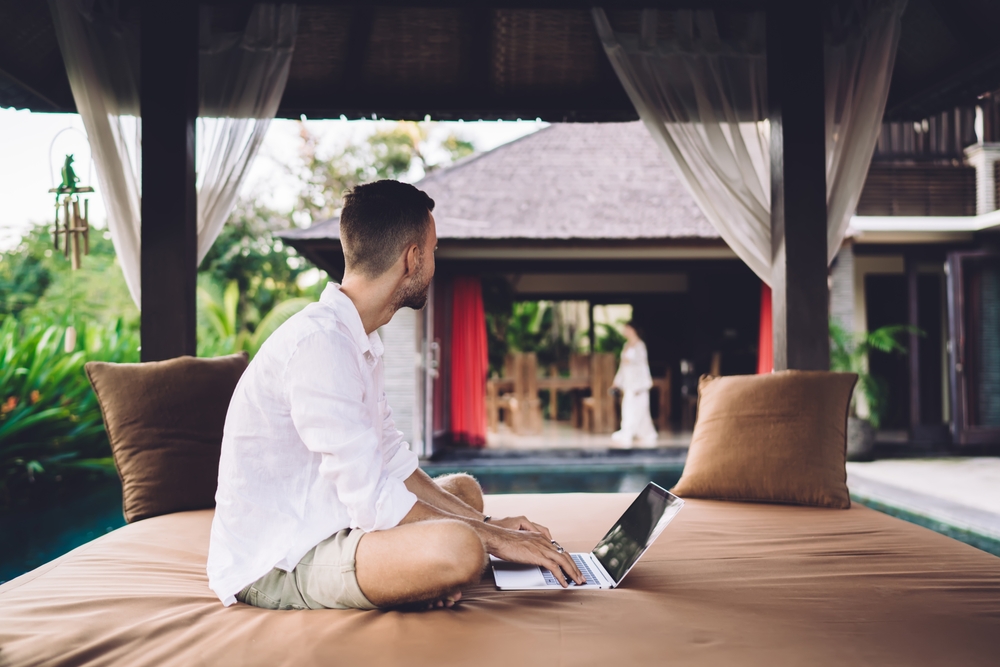
- Freedom to choose your work environment daily
- Opportunities to explore new cultures and communities
- A chance to break free from routine and embrace spontaneity
- Lower living costs in certain destinations compared to urban centers
The Solo Travel Connection
Solo travel and remote work were once separate pursuits—one about self-discovery and the other about professional independence. Now, they’ve merged into a lifestyle where independence reigns supreme. For many, working remotely alone while exploring new places provides a sense of empowerment. It allows travelers to move at their own pace, pursue personal interests, and make connections with like-minded people along the way.
Solo travel as a digital nomad often encourages resilience, adaptability, and confidence. It also creates a natural gateway to community—whether through coworking spaces, nomad hubs, or social media groups where travelers swap tips and share resources.
The Practical Side of Nomad Living
Of course, working from paradise isn’t always effortless. The lifestyle demands planning, discipline, and adaptability. While the idea of working on a hammock is romantic, the reality often involves time zone juggling, spotty Wi-Fi, and maintaining productivity amid distractions.
Key Considerations
- Researching destinations with strong digital infrastructure
- Creating financial buffers for unexpected expenses
- Learning to balance sightseeing with work obligations
- Staying mindful of mental health and social connections
Many digital nomads find a rhythm by setting work hours, using coworking memberships, and building daily routines to anchor their otherwise fluid lifestyles.
Why Millennials Are Leading the Charge
It’s no coincidence that millennials are driving this shift. This generation came of age alongside the rise of the internet, social media, and the gig economy. They value experiences, flexibility, and meaningful work-life balance over traditional career ladders. Many also grapple with high housing costs and burnout, making a life on the move more attractive than a fixed lease or mortgage.
For millennials, digital nomadism isn’t about running away from responsibility—it’s about redefining what responsibility looks like. Instead of chasing promotions tied to an office desk, they’re pursuing careers that align with personal values and allow them to live more deliberately.
The Role of Technology
Technology is the backbone of the digital nomad lifestyle. Cloud-based tools, video conferencing, and collaboration platforms make it possible for teams to stay connected regardless of location. Banking and budgeting apps simplify managing money across borders. Even social media doubles as both a networking tool and a support system.
Without these digital lifelines, the lifestyle would be far more complicated. Tech has turned what might have been a niche subculture into a growing movement embraced by workers across industries, from writers and designers to software engineers and consultants.
Challenges That Don’t Make the Highlight Reel
For every photo of a laptop perched next to a cocktail, there’s a less glamorous side that rarely gets posted. Loneliness, visa restrictions, burnout, and unstable income streams are real challenges. The lack of long-term stability can make it hard to maintain relationships or plan for the future.
Still, many nomads argue that these trade-offs are worth it for the freedom and experiences gained. Success often comes down to preparation, adaptability, and realistic expectations rather than blind optimism.
The Future of Work and Travel
As more companies embrace remote work, the digital nomad lifestyle may move from the fringes to the mainstream. Cities and countries are already courting nomads with special visas, coworking-friendly infrastructure, and incentives that recognize the economic value nomads bring.
The question isn’t whether the trend will continue—it’s how it will evolve. Will digital nomad hubs replace traditional office districts? Will solo travelers increasingly choose community-based living arrangements for stability? The answers will shape how this movement matures in the years ahead.
Finding Your Own Balance
Digital nomadism isn’t a one-size-fits-all solution. For some, it’s a long-term lifestyle. For others, it’s a temporary adventure between career shifts or life milestones. What matters most is finding the right balance between freedom and structure, adventure and stability.
Whether it means working from a café in a bustling city, a remote mountain lodge, or simply a different part of your own town, the digital nomad ethos is less about constant travel and more about reclaiming control over how and where you live.
Living Life on Your Own Terms
The rise of digital nomads is more than a travel trend—it’s a cultural shift that reflects changing values about work, life, and what it means to thrive. It’s proof that career and curiosity don’t have to be at odds. For those willing to embrace the uncertainties, the digital nomad lifestyle offers something many crave but rarely achieve: the chance to live life entirely on their own terms.