
Could disrupted sleep, daytime fatigue, or loud snoring be signs of a condition that researchers are actively working to improve? Sleep apnea affects daily energy, long-term health, and overall quality of life, which is why clinical trials play a critical role in advancing treatment options. Clincial studies explore new therapies, devices, and approaches that may offer relief beyond standard care while helping participants better understand and manage their own sleep health.
Understanding Sleep Apnea and Its Daily Impact
Sleep apnea is a sleep-related breathing disorder marked by repeated pauses in breathing throughout the night. These interruptions can occur dozens or even hundreds of times, often without the sleeper being aware of them. Over time, fragmented sleep affects concentration, mood, and physical health, contributing to persistent exhaustion and reduced cognitive performance. Many people also experience morning headaches, dry mouth, or irritability that quietly erodes daily wellbeing.
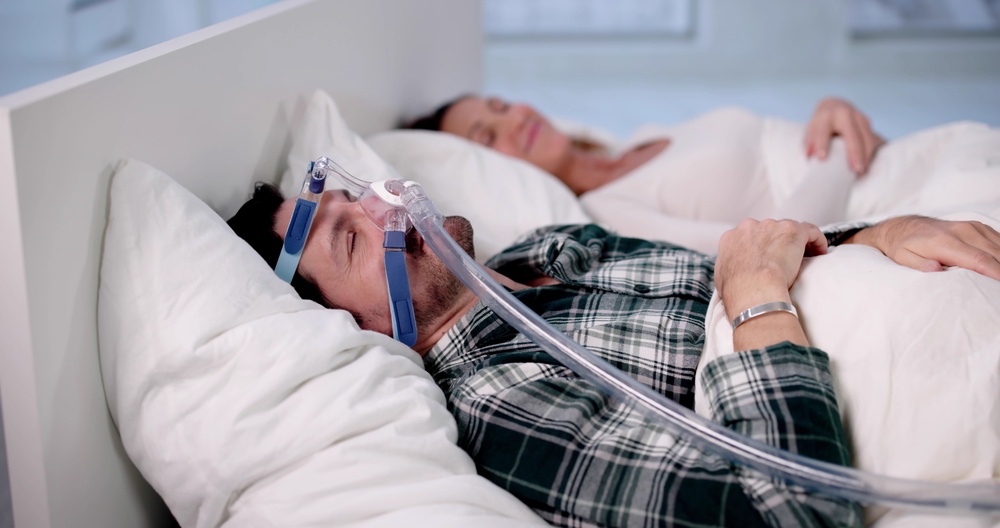
Beyond immediate symptoms, untreated sleep apnea is associated with broader health concerns. Poor oxygen levels and chronic sleep disruption place strain on the cardiovascular and metabolic systems, increasing long-term risk. Because symptoms can develop gradually, many individuals live with the condition for years before receiving a diagnosis. Clinical trials exist in part to better understand these patterns and to develop treatments that are more comfortable, effective, and sustainable for real-world use.
Why Clinical Trials Matter in Sleep Apnea Research
Clinical trials are the engine behind progress in sleep medicine. Each study is designed to answer specific questions about safety, effectiveness, or usability of a new therapy or intervention. For sleep apnea, this can include testing alternative airway devices, medication-based approaches, implantable technologies, or behavioral and lifestyle interventions that complement existing treatments.
Participation in trials allows researchers to refine therapies based on real patient experiences rather than laboratory assumptions alone. These studies also help identify which subgroups benefit most from certain approaches, acknowledging that sleep apnea is not a one-size-fits-all condition. By participating, individuals contribute to a growing body of knowledge that shapes future standards of care, while often gaining access to options that are not yet widely available.
What Participation Typically Involves
Taking part in a sleep apnea clinical trial usually begins with a screening process to determine eligibility. This may include sleep studies, medical history reviews, and questionnaires about symptoms and lifestyle. Once enrolled, participants follow a structured protocol that outlines study visits, monitoring, and treatment use over a defined period.
Most trials are designed to fit into everyday life as smoothly as possible, but they still require commitment and communication. Researchers rely on accurate feedback to assess outcomes and make informed conclusions.
Common Elements of Participation
- Initial screening and diagnostic evaluations
- Use of a study-specific therapy or intervention
- Regular check-ins, either in person or remotely
- Sleep tracking through devices, apps, or questionnaires
- Clear instructions and support from the study team
Potential Benefits for Participants
While clinical trials are not guaranteed treatments, many participants report meaningful personal benefits. Close medical monitoring can provide deeper insight into sleep patterns and overall health, sometimes uncovering related issues that might otherwise go unnoticed. Access to emerging therapies may also offer symptom relief when standard options have been uncomfortable or ineffective.
There is also a strong sense of contribution involved. Knowing that personal participation may help improve future care can be motivating, particularly for those who have struggled to find effective solutions. Some trials also cover study-related costs or provide compensation for time and travel, reducing financial barriers to participation.
Risks, Safeguards, and Ethical Oversight
Every clinical trial involves some level of uncertainty, which is why ethical oversight is a cornerstone of medical research. Before a study begins, it undergoes rigorous review to ensure participant safety, informed consent, and clear risk disclosure. Participants are fully informed about what is known, what is still being studied, and their right to withdraw at any time.
Side effects or discomforts vary depending on the intervention being tested, but monitoring systems are in place to identify and address issues promptly. Data privacy is also carefully protected, with personal information handled according to strict confidentiality standards. These safeguards exist to ensure that participation is both respectful and responsible.
Who May Be a Good Candidate
Eligibility for sleep apnea clinical trials depends on the specific study design. Some trials focus on individuals newly diagnosed, while others seek participants who have tried existing treatments without success. Age ranges, symptom severity, and overall health status can all play a role in determining suitability.
Factors That Often Influence Eligibility
- Confirmed diagnosis or specific symptom profile
- Willingness to follow study protocols
- Stable overall health or managed chronic conditions
- Previous treatment history, if applicable
Looking Ahead at Innovation in Sleep Apnea Care
Research into sleep apnea continues to evolve, with trials exploring more personalized and less intrusive solutions. Advances in wearable technology, data-driven diagnostics, and targeted therapies are reshaping how the condition is understood and treated. Clinical trials are where these innovations are tested, refined, and validated before becoming part of everyday care.
For individuals living with sleep apnea, these studies represent more than research milestones. They are opportunities to engage actively in care, gain clarity about personal health, and contribute to progress that may benefit countless others navigating restless nights and fatigued days.