
Somewhere between the time of the floppy disks and the era of Slack notifications, there has been a subtle shift in the workplace. Employees have started to rely less on coffee and more on wearable workday tech. With Oura rings blinking, Apple Watches buzzing and Fitbits nudging, the typical modern day worker may now be hooked up to a stream of biometric data.
This is no longer science fiction, it’s just an average Tuesday in the office. We’re now in a world where wearables shape not only our health, but our focus and productivity. At first, wearables entered the office through the side door. Fitness enthusiasts started tracking their steps with their Fitbits, tech savvy managers brought in their smartwatch and slowly the buzzing reminders entered the work environment. Before long, wearables have evolved from personal fitness tech into workplace productivity tools. From biometric rings that measure stress levels to posture correcting sensors, these gadgets promise more focused, healthier employees, but there are questions about autonomy and privacy.
So, let’s delve into the promises, quirks and how wearables are quietly shaping the modern workplace.
The Workplace Wearables
When we discuss “wearables,” you may picture the typical smartwatches and fitness trackers, but the workplace has expanded the scope with gadgets that target different aspects of the workday.
Posture Trackers
These are the digital equivalent of having your mother or grandmother telling you to “sit up straight” across the dinner table. Devices such as Lumo Lift or Upright vibrate gently when you’re hunching over your keyboard. The idea is that over time, you will retrain your muscles to help prevent chronic back and neck issues.
Given that musculoskeletal problems are one of the leading causes of sick days, these tools are appealing to workers and HR managers who are eager to reduce absenteeism.
Focus and Screen Time Devices
Software such as RescueTime and Timeular and the wearable integrated apps can track how long that you spend on different activities. Some take it even further by monitoring micro behaviors like whether you’re actively typing or how often you pick up your phone.
The goal isn’t to shame you into being more productive, but rather to help you understand your personal rhythms. This tech can help you work out if you’re at your sharpest in the morning or if you lose focus after lunch. The devices can help to reveal patterns that you may not have noticed yourself.
Stress Monitors
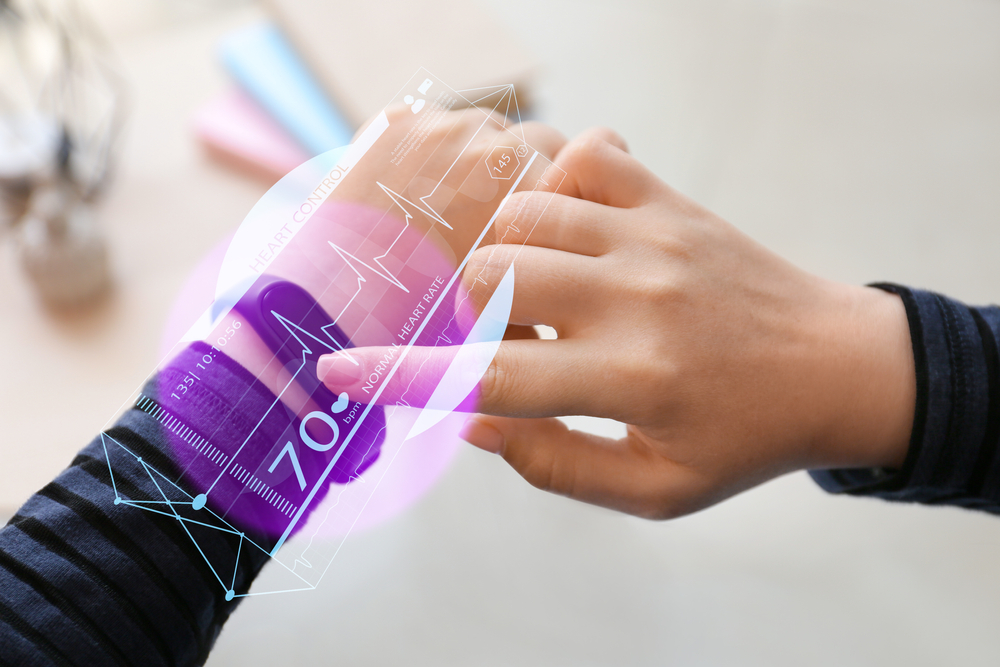
Stress is incredibly hard to measure, but there are wearables that attempt to track it through the variability in your heart rate and galvanic skin response. So, if you’re wearing your Fitbit Sense or Garmin at work, you may feel an alert when your body is under strain, even if you feel like you’re keeping it together.
This provides an opportunity for early intervention. When your device sends out an alert, you could pause for a couple of minutes of deep breathing which may help to prevent your stress spiraling into burn out.

Smart Glasses/AR Headsets
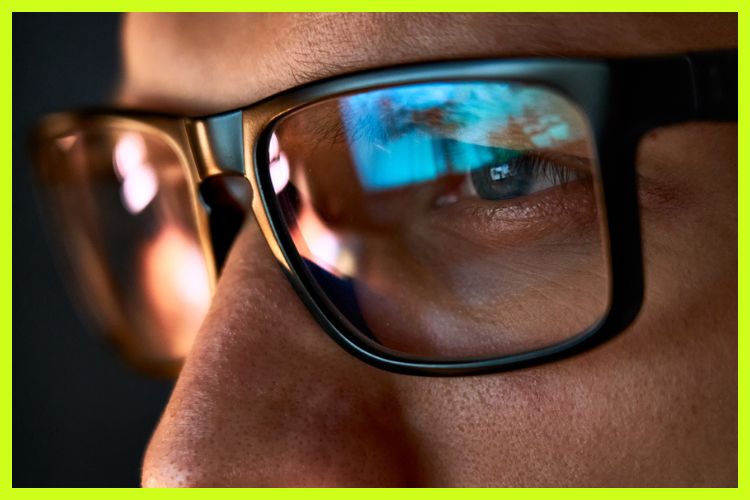
From Microsoft’s HoloLens to Meta’s Ray Ban, eyewear is breaking into the office. These types of devices can overlay information on your field of view, reminding you when to take breaks, or even assisting complicated tasks hands-free. In some fields, this could revolutionize workflow, such as design, engineering or even customer service.
Biometric Rings
Biometric rings such as the Oura go well beyond step counting to measure sleep quality, recovery and readiness. Within a workplace wellness program, this type of device could provide data to help align demanding tasks with the days when employees are most prepared. But, there is the potential for overreach, where a boss could question productivity because the ring shares that you’ve only slept five hours the previous night.
All of these tools promise sharper focus, reduced stress or even better posture, but there is also the potential for blurring the line between a helpful assistance and corporate overlord.
The Good Side of Wearables
As we just touched on, there are some promising benefits for wearables at the office.
Effective Micro Reminders
Most of us know that we should be sitting up straight, not spend endless hours staring at our screens or even blink more often. But good intentions tend to vanish under deadlines. A wearable buzzing or giving you a nudge can cut through the noise in a way that a sticky note never could. Unlike vague guidance, these reminders are personal, immediate and tricky to ignore, which increases the chances of changing your behavior.
Data Driven Self Awareness
Wearables are not designed to nag, they intend to inform. Having a visual of your productive screen time peaking between 10 am and noon might help you to schedule important tasks when you’re at your very best.
If your stress spikes each time a particular client emails you, this also provides actionable data, and could prompt you to take a moment for deep breathing exercises before you respond.
Over time, you can build a detailed map of how you work best, adjusting your routines and schedules to work efficiently around your peak zones.
Wellness Meeting Output
A healthy employee tends to be more productive. If a posture sensor prevents chronic back pain developing or a smart watch suggests stretching, this is not just good for your body, it is good for the business.
Companies have started to recognize this and some have begun to subsidize employee wearable tech. This is an investment as it offers higher morale, fewer sick days and establishes a reputation for being a forward thinking employer.
Preventing Burnout
Tracking stress, recovery and sleep can help workers spot the early warning signs of burnout. Rather than soldiering through exhaustion and stressful situations until collapse, wearable tech prompts taking small corrective steps, whether it is a nap, a walk or having a lighter workload that day. This has the potential to not only save individual careers, but it can also help companies to avoid costly turnover and employee disengagement.
When Wearables Get Weird
On the other hand, not everything runs smoothly and when you invite mini robots into your workplace and daily routine, there is the potential for quirks and mishaps.
Untimely Buzzing
While notifications can be helpful, a posture tracker buzzing when you’re sitting in a serious meeting could have you trying to straighten up as if you’ve just been caught napping. This untimely buzzing could be distracting for you and your immediate colleagues.
Poorly Timed Breathing Breaks
Likewise, those breathing breaks can sound at the most inopportune time. It doesn’t exactly shout “professionalism” if your watch is telling you to breathe deeply when your boss is going through budget cuts.
Inappropriate Overlap
When you’re using a wearable to help with work focus, you don’t really need it to remind you that you’ve only walked 1,000 steps today. This is not only distracting, but it could lead to a guilt spiral.
Over-Competitiveness
Most offices have some degree of rivalry, but wearables may encourage this in a not so healthy way. You shouldn’t have colleagues comparing who focused for longer yesterday or who deep breathes the best. The wearables are meant to enhance productivity and focus, not fuel the office Olympics.
Beyond these lighthearted scenarios, there is a deeper truth that wearables may nudge us into healthier habits, but there is the potential for overwhelm. Multiple notifications, misinterpreted signals or pushing us into new digital comparisons have the potential for creating a stressful or toxic work environment.
The Debate of Productivity vs Surveillance
So, here’s where things get a little controversial. A wearable gently nudging you to sit up straighter or stand up is one thing. But, what if your manager is also able to see all your data?
Employer Temptation
Companies love having productivity metrics and if wearables can provide real time data of employee health, focus and stress, some employers may be tempted to use them. After all, who wouldn’t want to know when stress levels are peaking or which team has the greatest focus? In theory, this data could help with support and scheduling, but in practice it could devolve into micromanagement.
Employee Nightmares
From the employee’s perspective, work wearables can feel less like support and more like Big Brother. Imagine if your manager knows you were stressed at 3.15pm on Wednesday or you were slouching during a client call for 21 minutes. Even if the data isn’t actually being used punitively, a feeling of being monitored can fuel anxiety. So, in an ironic twist, stress tracking devices could transform into stress inducing tech.
Privacy Questions
Where does the wearable data go? Who owns it? Will it be tied directly to individuals or anonymized? While tech companies promise confidentiality, history has shown that data does have ways of escaping. For employees this fear isn’t abstract, it is personal as no-one wants their health information used against them in a performance review.
Trust
In order for wearables to succeed in the workplace, trust is essential. Employees need to feel the devices are meant for their benefit not as a tool for micromanagement. If this is not the case, the gadgets meant to reduce stress, could actually cause it to skyrocket. So, there is a challenge for companies to foster transparency, communicate boundaries and ensure employees have control over their own data.
The Future of Wearable Tech in the Office
Despite the potential for surveillance fears, the trend for workplace wearables continues to rise. Here are some things to watch out for in the near future.
AI Coaching
Imagine if your wearable doesn’t just track your stress, but suggests the best moments to take a break or recommends you take a walk when your focus drops. With machine learning, wearables could transform into personal productivity coaches that are tailored to your unique rhythms.
Team Level Data
Companies may aggregate wearable data across departments to see trends, like high stress periods before reviews. When handled responsibly, this could improve workflow, but if anonymity fails, employees could feel exposed. So, the pressure to keep the data ethical will continue to grow as the adoption spreads.
Greater Subtlety
As with all tech, we can expect wearables to streamline from bulky, obvious devices. Future wearables could be embedded in jewelry, clothing or even in office furniture. Imagine if your ergonomic chair automatically adjusts posture based on pressure and posture data.
Office Tool Integration
Don’t be surprised if you start to see office tools like Slack or Outlook integrating with wearables, automatically blocking time in your calendar when your wearable detects you’re in the zone. This would allow work to adapt to you rather than the other way around.
An Ethical Pushback
We should also expect more employee advocacy around data ownership, with policies that detail how or if employers are able to access wearable metrics. Just like with webcam and email monitoring policies, we may see new regulations and HR guidelines to define the boundaries of wearable tech.
Choosing the Right Wearable for Work and Teams
With so many different gadgets on the market, it can almost feel like you’re shopping for a personal robotic army. However, the right wearable will depend on your goals, how much you want to buzz during the day and your tolerance for data collection. So, there are some guidelines that could help you.
Think About Your Core Goal
A good starting point for choosing a wearable is to think about your core goal. Are you interested in better posture? Then look at posture trainers that are laser focused on alignment and are unlikely to overwhelm you with additional metrics.
If you’re interested in focus and productivity, consider smart team trackers with apps that aim to eliminate distraction. There are also devices that specialize in stress and wellness, helping you with breathing exercises and stress alerts.
However, there are also wearables that offer multitasking potential that can help you to stay hands free and boost efficiency.
Assess Comfort and Design
Ideally, you’ll be wearing your tech all day, so it needs to feel comfortable. A ring may feel invisible, while a chunky wristband could irritate you during typing. So, before you commit, try out the devices, as comfort will often beat out a long list of features. Many devices offer trial periods or have money back guarantees, so you can be sure you’re 100% happy before you fully commit.
Research Data Transparency
It is important that you know who owns your data. Some wearables provide anonymity and will keep your data private, while others will share data with an employer wellness program. It is crucial that you check the fine print and are comfortable with the terms.
Additionally, it is worth checking whether your wearable will integrate with your existing tools or if it operates within a proprietary ecosystem.
Maintenance
One of the most frustrating aspects of wearables is the battery duration. If you hate to charge daily, prioritize devices with longer battery lives. For example, Garmin devices have a battery that can last up to 10 days. Remember that frequent charging may lead to you abandoning your gadget.
Consider Feature Overload
A wearable with plenty of flash and features isn’t necessarily the best. If you only want a posture reminder, a device with a full suite of health monitoring is likely to be overkill. Look for tools that solve your biggest pain point rather than one with all the bells and whistles.
Team or Employer Considerations
If you’re choosing wearables for a workplace program, there are a few additional points to consider. Firstly, the devices should be voluntary not mandatory, allowing employees the option to opt in. Additionally, the devices should aggregate data only, sharing trends with managers rather than individual metrics. Finally, remember that not everyone wants the same tool, so aim to support diversity of needs with different options.
Remember that the right wearable is not really about the fanciest tech, it is about one that you will enjoy using. A device that feels like a supportive coach rather than a stressful nag, is likely to be your perfect match.
Workday Tech: Yes or No?
Office wearables are both fun and revolutionary. They can nudge us towards healthier habits, and shine a light on productivity rhythms, but may occasionally give an ill timed buzz. Although there are real debates about data ethics and surveillance, the truth is that most of us already carry devices that know a great deal about us. Our smartphones know our spending habits, banking practices and social connections.
Perhaps the key to wearables is balance. These devices can be powerful when they are serving us, but could tip into dystopia if used as a corporate leash. Until this point, it is worth seeing the fun potential; a tiny wrist computer that tells us to sit up straight, reminds us to breathe and fuels a little healthy competition with our colleagues.
This tech is not going away and these devices are becoming as much a part of our office lives as slogan coffee mugs and ergonomic chairs. There will be a trick to figuring out how to embrace the potential benefits without handing over all our very personal health data. But, until this debate is settled, here’s to the bleeping and blinking that are quietly shaping productivity and focus at the office.