
What if creating a space that feels fresh, calm, and stylish didn’t mean draining your savings on a shopping spree at West Elm? For millennials juggling careers, kids, and a never-ending cycle of life admin, “minimalism” isn’t just an aesthetic—it’s survival. But here’s the catch: you don’t need a trust fund or a loft-sized budget to make your home feel intentional, airy, and designed.
Start With the Stuff You Already Own
Minimalism isn’t about buying a capsule wardrobe of furniture; it’s about subtracting. That chair you never sit in? The third set of mismatched mugs? The “someday” gadgets hiding in your closet? They’re taking up valuable mental and physical real estate. Start with one corner, one shelf, or even one drawer. Donate, sell, or repurpose what you don’t use. You’ll be surprised how simply letting go makes a room feel bigger and brighter—at zero cost.
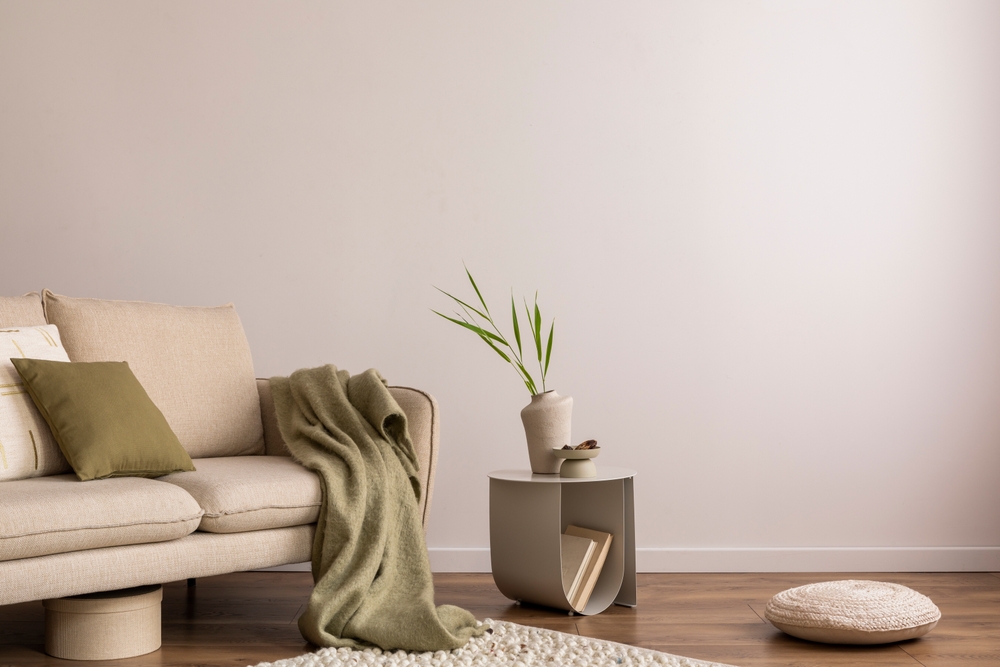
Thrift, Swap, and DIY Your Way to Style
Contrary to Instagram’s narrative, you don’t have to drop $600 on a Scandi lamp to achieve minimalist chic. Millennials have mastered the art of sourcing: think Facebook Marketplace, Buy Nothing groups, and thrift stores where $20 can buy you a statement piece that sparks joy without screaming “fast furniture.” Even better? Host a home swap with friends. Trade that oversized mirror for a side table you actually need. It’s the kind of circulation minimalism loves: less waste, more use, more stories behind your stuff.
Rethink Layout Before You Buy
Minimalist design thrives on open space and intentional flow. Instead of shopping for new pieces, try reconfiguring what you already own. Move your bed against a different wall. Shift your couch closer to a window. Elevate your nightstand by swapping in a vintage stool or crate you’ve had tucked away. Sometimes the cheapest redesign is just rearranging.
Small Touches, Big Impact
Minimalism doesn’t mean empty. It means curated. A single oversized plant can do more for a room than ten knickknacks. Neutral curtains? Instant calm. Swapping out bulky frames for clean-lined ones can make your gallery wall look more modern without buying new art. Focus on textures (linen, wood, ceramic) instead of clutter, and suddenly your space feels expensive—even if it isn’t.
Sell to Fund the Refresh
Decluttering isn’t just about creating space; it can also bankroll your redesign. Millennials are masters at resale apps—Poshmark, Depop, OfferUp. That unused treadmill or set of bar stools? Sell them and use the cash for something you’ll actually love (like finally upgrading those Ikea lamps). Minimalism becomes self-funding when your “goodbye pile” doubles as a budget booster.
The 7-Day Minimalism Starter Guide
If the idea of decluttering your entire space feels overwhelming, start small with a one-week challenge. Want a no-pressure plan that balances quick wins with long-term impact?
Day 1: The Surface Sweep
Clear countertops, tables, and nightstands. Put away what belongs, toss what doesn’t. This instantly makes your space look cleaner and calmer.
Day 2: One Drawer Detox
Pick a drawer—junk drawer, bathroom drawer, kitchen drawer. Sort, toss, or donate. Enjoy the dopamine hit of seeing organized order in at least one corner of your life.
Day 3: The Closet Quick Fix
Pull five items you haven’t worn in the last year. List them for sale or bag them for donation. If you haven’t missed them, you won’t start now.
Day 4: Digital Declutter
Minimalism isn’t just physical. Clean your desktop, organize your phone apps, and unsubscribe from at least five emails. Bonus: mental clarity guaranteed.
Day 5: Rearrange a Room
Move furniture, shift art, or rethink lighting. No spending allowed—just reshuffling. You’ll be surprised at how “new” a room feels after a 30-minute revamp.
Day 6: Add One Intentional Touch
Bring in something meaningful: a framed photo, a plant, or a candle. The goal isn’t to buy more but to choose better.
Day 7: The Reflection Reset
Walk through your space. Notice what feels calmer, lighter, and more functional. Make a short list of what truly needs upgrading—and what you can happily live without.
Minimalism as a Lifestyle Flex
Here’s the truth: minimalism isn’t about following a strict rulebook or mimicking Pinterest perfection. It’s about creating a home that feels like a sanctuary instead of a storage unit. For millennials stretched thin by careers, side hustles, and family life, a pared-back space isn’t just aesthetically pleasing—it’s a mental health hack. Fewer decisions, less stress, more breathing room. That’s the kind of flex that doesn’t cost a dime.