
In a world that is dominated by apps, notifications and smart devices that are able to do almost everything, it seems strange to pick up a pen and a paper planner. Yet, millions of millennials still swear by paper planners. Despite being in the era of digital calendars that sync across your devices, AI assistants and to-do apps, the charm of the paper planner has survived or even flourished.
So, why would anyone return to the analog solution of paper planners in a digital world promising automation, speed and convenience? The answer lies in the balance of efficiency and the tactile joy of analog planning. So, let’s dive into this phenomenon to understand how you would reclaim a sense of mindfulness and control with a paper planner.
The Era of the Digital Age
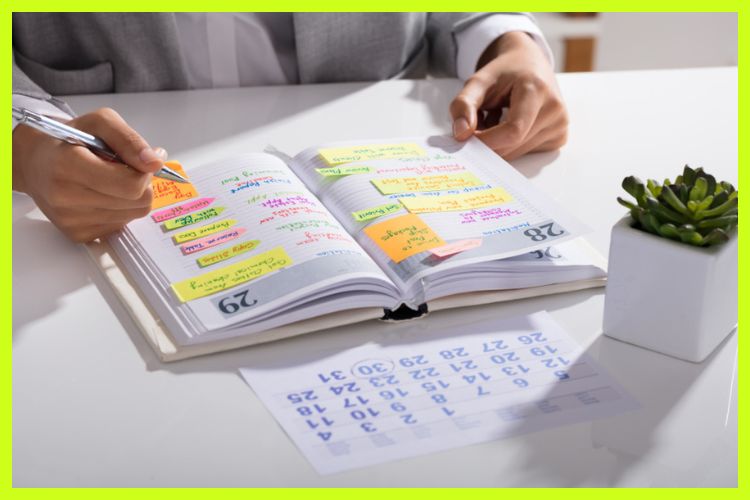
Over the past two decades, we’ve seen an explosion of digital productivity tools. From Google Calendar to Todoist, Trello to Notion, the list seems endless and offers everything from automated reminders to collaborative planning tools. There is the possibility to organize work projects while you’re on the grocery run, setting reminders for your cousin’s wedding next year and team plan on a dog walk.
From a purely functional stance, digital tools are almost unbeatable. They are searchable, fast and offer superb customization. You can integrate with your smart home, AI assistant and fitness tracker. So, on paper, digital efficiency seems to provide the ultimate solution.
However, there is a catch: many of us struggle with “digital fatigue.” Psychologists have identified the phenomenon caused by constant exposure to notifications and the pressure to continually optimize time, which increases stress levels. So, there is a paradox of digital productivity apps which promise to save time, adding to our cognitive load. Having grown up during the rise of social media and smartphones, millennials are particularly sensitive to digital fatigue. So, there is a growing appetite to slow down and make space for intention rather than efficiency.
The Tactile Joy of Paper Planning
There is something almost magical that happens when you put pen to paper. Neuroscience research suggests that writing by hand activates several regions of the brain associated with comprehension, memory and creativity. So, writing tasks by hand isn’t just symbolic, it’s cognitive. When you’re writing on a paper planner, your brain encodes it differently than if you were to type it, creating clearer thought, better retention and even sparking ideas that you may not experience from using a screen.
There is also a sensory pleasure associated with analog planning. The weight of a notebook, the smooth glide of your pen and the slight scratching of ink on paper, all create tactile experiences contributing to satisfaction.
For millennials, this isn’t a trivial sensation, as many grew up with color coded planners, Trapper Keepers and character notebooks. So, analog planning evokes these childhood organization rituals that simply can’t be replicated with digital apps.
The Analog Renaissance
It can seem counterintuitive for a generation labeled “digital natives” to lead a resurgence in analog planning, but it does make sense when you consider the context. Millennials straddle the traditional and the tech. They grew up in a transitional era with one foot in the analog world and the other in the digital age. They can understand the benefits of technology while craving tactile, mindful experiences.
So, part of the appeal is psychological. Digital tools offer endless possibilities with labels, color coding, notifications and integrations. This may sound ideal, but it can easily feel overwhelming. Enter the paper planner; a finite and tangible canvas where you can control the layout, decide what’s important and interact in a deliberate way. A paper planner provides the opportunity to slow down and make a conscious choice to engage with tasks on your own terms.
The Psychology of Pen and Paper
There is far more to writing a paper planner than just words on a page, it provides a full work out for your brain. As we touched on, handwriting activates several regions of the brain simultaneously, including those responsible for language processing, fine motor skills and memory. This isn’t merely trivia, it has real world implications for how we remember, organize and process information.
When you handwrite a task, your brain doesn’t just record the specific words. You are actually creating a multisensory experience. You see the letters forming, you feel the pen gliding across the page and you may even hear the scratching of your pen moving across the paper. This combination strengthens memory encoded, so these handwritten plans will have more significance for your brain.
Studies have shown that students who take notes by hand have better recall of information and understand the concepts more deeply compared to their computer note taking classmates.
There is also a psychological boost that is tied to physically crossing off your completed tasks. Each time you put a line through an item or make a checkmark, you get a small dopamine release, which gives your brain a tiny “victory” hit when you finish a task. This is a satisfying reward that apps may be able to mimic, but it doesn’t replicate this emotional punch. Typing “done” or hitting a key to make a checkmark won’t give your brain the same mini celebration as making a bold pen stroke.
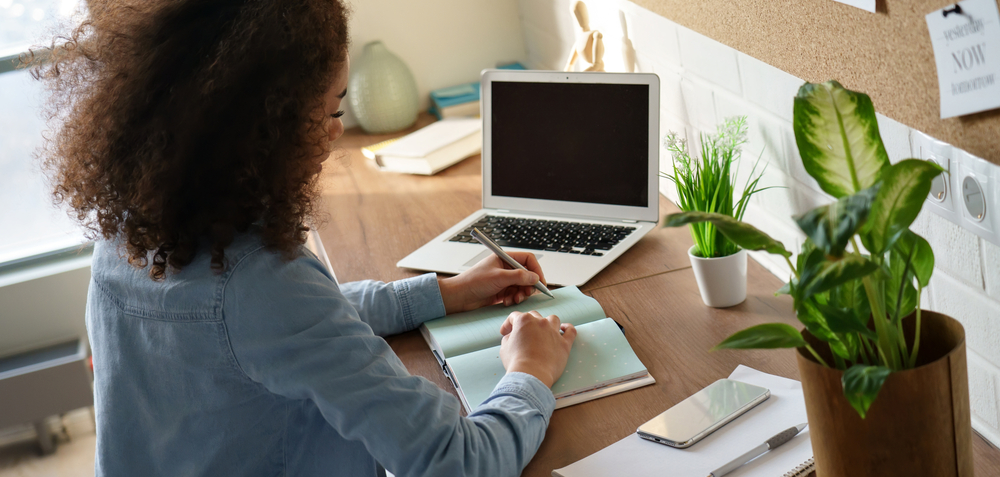
Another potentially overlooked benefit is that handwriting enforces a deliberate pace. Typing can be quick or even impulsive, while writing by hand forces you to slow down and process information more intentionally. This allows the opportunity to think through your priorities for improved executive function of planning, focus, time management and problem solving.
Beyond dopamine hits and memory, handwriting can also enhance your creativity. Psychologists and neuroscientists suggest that slowing your pace and the tactile nature of writing allows the mind to wander just enough to spark ideas. Many designers, writers and thinkers report that their best ideas result from pen and paper rather than typing. So, a paper planner isn’t merely about organizing your day, it creates space for your brain to make unexpected connections, problem solve or even productivity daydream.
Finally, there is an emotional component. Handwriting conveys a sense of ownership and permanence. When you write down daily tasks, reflections and goals, it can feel more real compared to digital entries. There is a subtle and powerful sense of commitment when your thoughts take shape on a page. This emotional connection may enhance your motivation to follow through, turning your planner into an effective productivity tool.
So, paper planners work on several levels, they engage the brain, reward accomplishments, slow you down for intentional reflection, foster creativity and strengthen your emotional commitment for plans.
Paper Planning as a Mindfulness Practice
A paper planner may seem just a purely functional tool, but it can be so much more. It can actually act as a gateway to mindfulness. In the modern world, where digital notifications can pull us in several directions at once, sitting down with a blank page, provides an opportunity for an intentional pause. It offers a moment to breathe, reflect and reconnect with priorities.
Writing by hand requires deliberation, so you have to think about what matters, how you will structure your day and what can wait. This slowed down pace isn’t just practical, it can be therapeutic. The slower pace allows your mind to process information, reduce anxiety and make better decisions. In short, you can better organize your thoughts.
Many paper planner enthusiasts take this one step further by incorporating reflective practices into their planning. For example, bullet journaling combines to-do lists with habit trackers, gratitude logs and personal reflections. Some people spend a few minutes each morning writing down daily intentions, while others note down challenges, wins and even fleeting thoughts. These practices transform planning from a daily chore into a mindful ritual which cultivates self awareness.
Analog planning also encourages you to intentionally prioritize. On paper, you can see your tasks, your goals and your week in one place. Unlike an app, which may automatically rearrange or remind you of tasks, a paper planner forces you to make a conscious decision on what takes precedence.
Even reviewing your planner at the end of each day or week fosters a sense of reflection. Taking a few minutes to look over completed tasks, record insights and reassess priorities can help you to feel less overwhelmed and more in control.
Paper planners can also double as a creative mindfulness tool. You can decorate the pages with doodles, colors or stickers that form a meditative activity that allows your brain to relax while you’re engaging in intentional focus.
The Social and Creative Aspect of Paper Planners
One of the most fascinating reasons why millennials swear by paper planners isn’t merely organization, it’s self expression and creativity. While digital tools are often uniform and rigid, a paper planner is a blank canvas. There are endless possibilities from colored pens and highlighters to stickers, stencils and doodles. Your planner can evolve into a mini work of art, turning scheduling into a creative and expressive ritual.
Essentially, planner customization is a form of personal storytelling. A weekly page isn’t just a list of your appointments, it becomes a reflection of your priorities, mood and personality. Bright colors can represent bursts of energy, while pastels reflect a calming week, decorative doodles nod to your hobbies or favorite pop culture references. With a little thought and care, your planner can become a tangible reflection of you in your daily organization, which produces a sense of flow and a meaningful escape from stresses without compromising on your productivity. It’s like a form of meditation disguised as organization.
There is also a social aspect to paper planning. Millennials often share their planners on social media platforms and online communities have flourished where people exchange tips, inspiration and planning techniques. Seeing someone else’s layout can help to spark new ideas, encourage experimentation and possibly improve your planning efficiency and performance.
The social dimension can also add to your motivation. When you see beautifully crafted planners on your social media feeds, it encourages you to maintain your own planning habits consistently. Essentially, sharing your planner online is a form of self expression and accountability. This contrasts with the private and functional digital calendars.
This level of creativity and sharing has the potential for long term benefits. Creative activities can reduce stress, enhance problem solving and increase your overall life satisfaction. When you combine planning with artistic expression, you’re not just organizing your life, you’re cultivating emotional well-being and mental resilience. This blend of social and creative with practical transforms a potentially utilitarian task into a multidimensional experience. It is part art form, part hobby, part social connection and a mindfulness practice rolled into one. In a world dominated by the sterile digital interface, an analog planner makes space for creativity, personality and human connection.
The Dilemma of Digital Distractions
For all their convenience, digital tools are prone to distraction. When your device pings a notification, it can derail your focus and you’re likely to have endless apps competing for your attention. When you already spend hours online for work and leisure, this overstimulation can be exhausting.
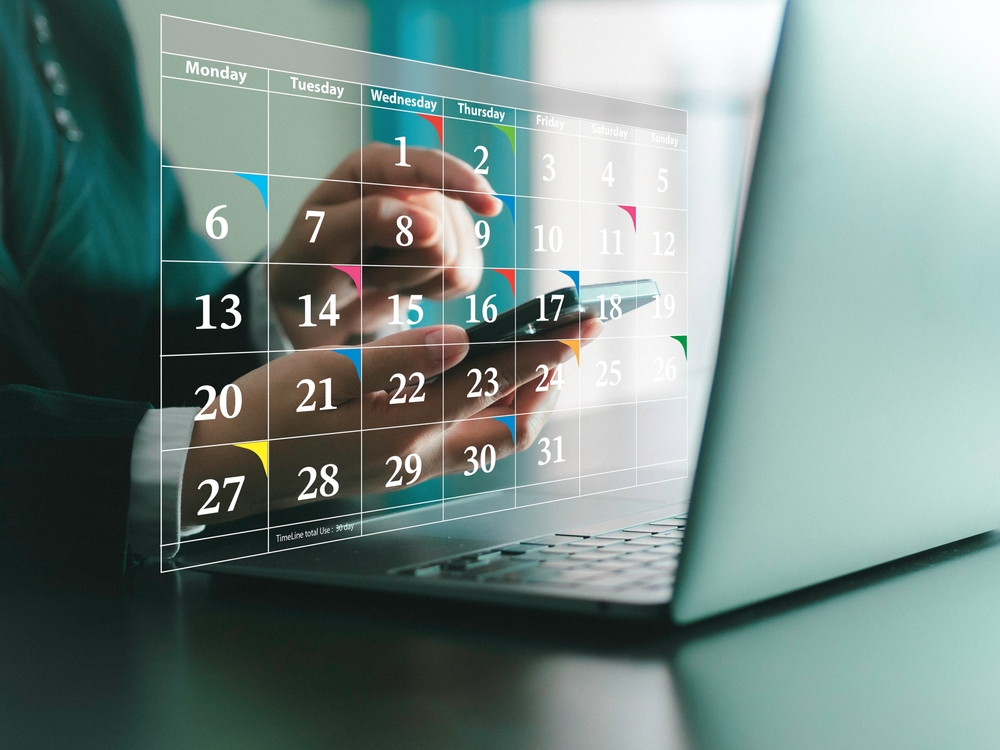
Digital apps can also have syncing issues and crashes that can disrupt your planning session. Additionally, it is easy to get distracted by the plethora of features and configuring the system as you’re trying to use it.
Paper planners are free of notifications, pop ups and ads. When you sit down with your pen and paper, you engage in intentional, focused planning in a calm, distraction free environment. So, if you value mindfulness, creativity and intentionality, while digital tools may be more efficient, using them can feel far less satisfying and frustrating.
10 Tips for Getting Started With Paper Planners
If you’re completely new to paper planners, the blank page can feel a little daunting, but there are some tips that can help you to get started.
10. Start Simple
Don’t pressure yourself by aiming to create artistic spreads or elaborate layouts immediately. Start out with the basics of a monthly calendar for your appointments and deadlines, and a weekly or daily section for your to-dos and tasks. Once you feel comfortable with these, you can start to add extras like a habit tracker or creative designs.
9. Pick the Right Tools
You don’t need to have hundreds of pens or a fancy planner to get started, just a basic notebook and a pen will do. However, if you enjoy looking at your planner, it may make you more likely to use it. So, consider colorful pens, highlighters or stickers, but don’t overthink it.
8. Use a Month View for the “Big Picture”
Think of having a monthly spread as a bird’s eye view of your life; deadlines, birthdays, appointments, vacations and work projects. This will provide you with a quick glance reference for all the important dates. So, try to keep it uncluttered and clean.
7. Use a Weekly or Daily View for Action Steps
This section of your planner is where you can zoom in and break down your goals into bite sized steps. For example, if you have a goal of finishing a project by the 30th of the month, you could have a weekly step of completing three pages every Monday and Wednesday. This will provide you with a reminder of the approaching deadline and a progress tool.
6. Don’t Just List- Prioritize
It is tempting to just reel off a massive to-do list, but this can be ineffective. Instead focus on your top three or top five priorities. These should be the “must do” items. When you’ve achieved these important things, you can then move on to your next priorities.
5. Build in Reflection
Take a few minutes at the end of each week to review what went well, what didn’t and what you should focus on next week. This will turn your planner into more than a simple to-do list. It will become a mindfulness tool.
4. Personalize
Some people like a clean, minimalist look, others prefer color everywhere with stickers and doodles. There is no right or wrong, so experiment with different styles to personalize your planner that feels functional and fun. Bear in mind if it feels like a boring chore, you’re unlikely to stick with it.
3. Create a Ritual
Consistency is crucial with planning, so set aside time each day, at the same time to update your planner. This could be a few minutes during your morning coffee or time before bed, but make it a part of your routine.
2. Add Personal Touches
Remember that your planner need not be all business, so add a few touches that make you smile. This could be quotes, gratitude notes or even a small section to track what shows you’re watching or books you’re reading. This will make your planner feel more like a personal companion rather than a taskmaster.
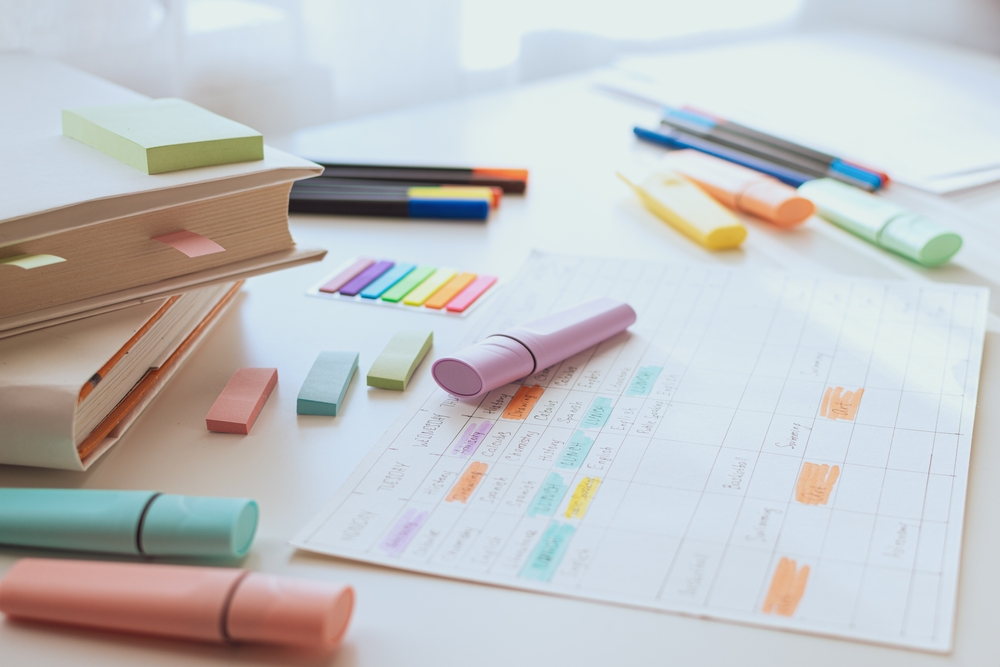
1. Give Yourself Permission to “Mess Up”
Many paper planner newbies get stuck because they don’t want to write the wrong thing or ruin a page. Remember that your planner is supposed to be a working tool not an exhibit. Feel free to cross things out, scribble or use correction tape. Messy pages are proof you’re actually using it.
The debate between digital apps and paper planners isn’t about which one is better- it’s about what each one offers. Digital tools are great for convenience, speed and automation, while paper planners excel at creativity, mindfulness and tangible satisfaction. So, if you’re not completely on the paper planner train, there is nothing wrong with balancing the two. Why not use digital apps for recurring events and reminders and keep a paper planner for daily priorities, reflection and creativity. This will help you to enjoy the best of both worlds.