
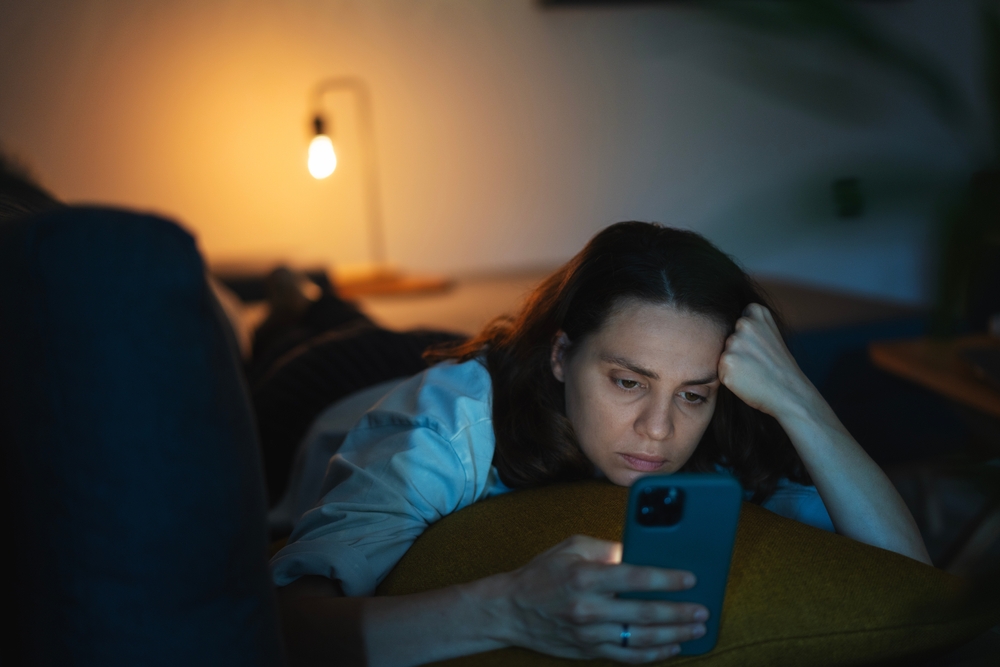
Have you ever told yourself you’d just check your phone for five more minutes before bed, only to find yourself still scrolling an hour later? Doomscrolling—the late-night spiral of consuming negative or endless content online—has become a modern bedtime ritual for many. It feels like staying “in the know,” but it often comes at the cost of your sleep, energy, and peace of mind.
What Exactly Is Doomscrolling?
Doomscrolling isn’t just casual scrolling. It’s the compulsive habit of consuming stressful, fear-inducing, or overwhelming content online, usually through social media feeds or news apps. It thrives on algorithms that serve you more of what you engage with—meaning if you click on one troubling headline, you’re likely to see five more. The result is a feedback loop that keeps your brain on high alert, even when your body is desperate for rest.
Why Your Brain Can’t Quit the Scroll
Your brain is wired to seek information, especially when it feels uncertain or anxious. Doomscrolling taps into that instinct by offering endless updates and “what ifs.” Add in bright phone screens that trick your body into staying awake, and you’ve got the perfect storm for wrecking your sleep cycle. Instead of winding down, you’re fueling stress hormones that keep you alert long past bedtime.
The Toll on Sleep Quality
Sleep isn’t just about clocking hours—it’s about how restorative those hours are. Doomscrolling sabotages that in a few key ways.
- Exposure to blue light suppresses melatonin, the hormone that helps you fall asleep
- Stressful or negative content increases cortisol, making it harder to relax
- Extended scrolling delays your bedtime, cutting into total sleep duration
- Fragmented sleep patterns leave you groggy, even after “enough” hours in bed
Over time, this can create a cycle where poor sleep makes you more anxious, and more anxiety drives you right back to doomscrolling.
Signs You Might Be a Nighttime Doomscroller
It’s easy to think you’re just catching up on the day’s events, but the line between informed and overstimulated is thin.
- Saying you’ll put the phone down “in five minutes” and losing track of time
- Feeling wired or anxious after scrolling instead of sleepy
- Waking up groggy despite spending enough time in bed
- Struggling to fall asleep because your brain is racing with content you just consumed
- Reaching for your phone the second you wake up to continue the cycle
Breaking the Habit Without Going Off the Grid
No one’s saying you have to ditch your phone or delete your accounts. The goal is balance, not exile.
- Set a bedtime alarm that signals when to log off screens
- Keep your phone out of arm’s reach from your bed—old-school alarm clocks still work
- Try “digital sunset” routines, dimming lights and screens an hour before sleep
- Curate your feeds by muting or unfollowing accounts that spike anxiety at night
- Replace late-night scrolling with wind-down rituals like reading, stretching, or listening to music
Why It Matters Beyond Sleep
Sleep is the foundation for pretty much everything else—focus, mood, metabolism, even long-term health. When doomscrolling chips away at it, the effects spill into your work, relationships, and daily energy levels. A bad night of sleep might mean you’re cranky the next day, but months of disrupted rest can contribute to serious issues like chronic fatigue, burnout, or weakened immunity. Protecting your sleep isn’t just about being less tired; it’s about safeguarding your overall well-being.
Reclaiming Your Nights
At the end of the day, doomscrolling thrives on urgency—the feeling that if you stop scrolling, you’ll miss something critical. The truth is, the internet never ends, but your energy does. By setting boundaries with your screen and creating a healthier nighttime routine, you give yourself permission to rest without guilt. Sleep should feel like a recharge, not an afterthought, and trading the late-night scroll for true rest might be one of the smartest life hacks you can make.