
Have you noticed your sleep schedule slipping ever since you started working from home? For many people, remote work brought freedom from commutes and rigid schedules, but it also blurred the line between rest and responsibility. The result is a shift in how we sleep, how we manage stress, and even how our bodies respond to daily rhythms. What was meant to feel flexible has quietly reshaped our well-being in surprising ways.
Why Sleep and Stress Matter More Now
Sleep and stress have always been linked, but remote work has created a feedback loop. Longer hours at the laptop, reduced separation between personal and professional life, and increased reliance on screens have changed the way our bodies regulate cortisol, melatonin, and other hormones tied to rest and recovery. Paying attention to these changes isn’t just about feeling rested—it’s about preventing burnout and keeping your mental and physical health steady in a more flexible but demanding lifestyle.
The New Remote Work Sleep Cycle
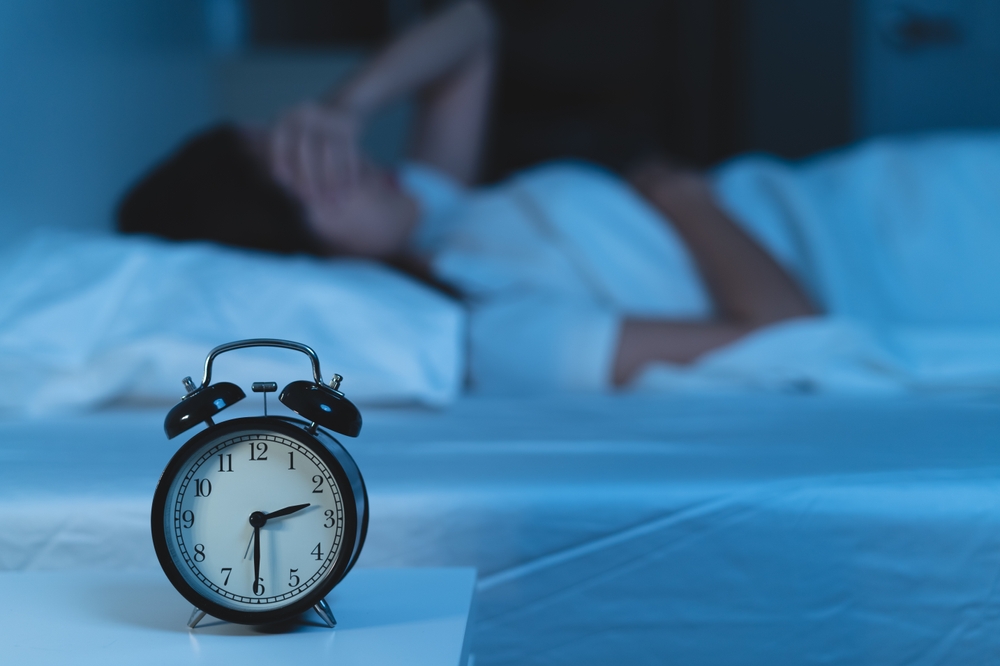
Working from home has reshuffled daily routines. Without commutes, people are technically gaining time, but that doesn’t always translate into better rest. Instead, many are going to bed later, waking up irregularly, and dealing with what’s often called “social jet lag”—a mismatch between natural body rhythms and the demands of the workday.
- Later bedtimes because there’s no strict wake-up deadline
- Afternoon naps creeping into the routine, sometimes replacing nighttime sleep quality
- Overexposure to blue light from devices, delaying melatonin release and making it harder to fall asleep
- “Always-on” work culture leading to late-night Slack pings or emails that disrupt wind-down time
In short, remote work hasn’t automatically fixed our sleep—it’s just rearranged it in ways that aren’t always healthy.
Stress in the Remote Era
If remote work has made our sleep more chaotic, stress has followed suit. On one hand, people are less stressed about commuting, office politics, and rushing through morning routines. On the other, they’re carrying a new set of pressures: constant connectivity, blurred boundaries, and fewer opportunities to physically step away from work.
What do stressors now look like?
- The invisible weight of “being available” even outside traditional work hours
- Endless notifications blending personal and professional demands
- Reduced social interaction, which normally helps buffer stress
- Workspace challenges, like turning a dining table into an office or juggling childcare alongside meetings
The paradox is that while remote work promised balance, it often delivers stress disguised as flexibility.
The Role of Cortisol and Circadian Rhythms
Cortisol, often called the stress hormone, plays a crucial role in wakefulness and energy regulation. Normally, cortisol peaks in the morning and tapers off by night. Remote work has disrupted this natural cycle for many. Late-night work or erratic schedules can keep cortisol elevated when it should be dropping, making it harder to fall asleep and leading to restless nights.
Meanwhile, circadian rhythms—the internal clock that guides when we sleep, eat, and focus—are losing their external cues. Commutes, office chatter, and in-person meetings used to act as anchors. Without them, the line between “work time” and “home time” blurs, confusing the brain and body.
Coping Strategies That Actually Work
Remote work isn’t going away, so finding ways to protect sleep and reduce stress is essential. The good news is that small adjustments can have an outsized impact.
- Setting consistent sleep and wake times—even without a commute to enforce them
- Creating tech-free zones before bed to reduce blue light exposure
- Physically separating work and personal spaces, even if it’s just one corner of a room
- Scheduling breaks as deliberately as meetings to avoid endless sitting and mental fatigue
- Using routines like a morning walk or post-work stretch session to signal “start” and “end” of the day
- Leaning on digital wellness tools that track screen time, suggest mindful breaks, or dim device light at night
These aren’t radical changes, but they work precisely because they reintroduce structure into days that feel boundless.
Why This Matters for Millennials in Particular
Millennials are at the center of this shift. They’re in the thick of careers, raising families, buying homes, or trying to balance multiple financial and personal responsibilities. Remote work dropped into the middle of these life stages and amplified both the good and bad. On one side, flexibility supports childcare and personal projects. On the other, stress about job security, economic pressure, and blurred work boundaries hits hard.
This generation is also more digitally tethered than previous ones, making it easier to slide into late-night scrolling or work messages at all hours. Protecting sleep and stress regulation isn’t just about avoiding burnout today—it’s about setting habits that protect long-term health.
Reclaiming Balance in a Remote World
Remote work has given many people the gift of flexibility, but it’s also stolen the natural boundaries that used to guide our days. Sleep patterns have shifted, stress has morphed, and our bodies are still adapting to this new normal. The challenge isn’t to eliminate remote work’s quirks—it’s to outsmart them with routines and boundaries that work for real life.
The future of work may not look like the past, but that doesn’t mean rest and resilience have to take a backseat. It means we have to be more intentional about protecting them.