
Let’s be honest: chasing fitness goals is already a juggling act. You’ve got to find time for workouts, get enough sleep (ha!) and somehow keep your stress levels from spiking every time your boss emails you after 9p.m. The last thing anyone needs is a grocery bill that looks like a second rent payment. But somewhere along the way, “eating healthy” got rebranded as “drop $15 on a poke bowl and don’t forget the collagen shots.”
Here’s the good news: nutrition that supports your workouts doesn’t have to drain your bank account. In fact, some of the most effective foods for building muscle, boosting energy, and actually sticking to your goals are the same ones your grandma probably bought in bulk. We’re talking rice, beans, eggs, potatoes – the unglamorous but dependable all-stars.
The Myth of Expensive Health
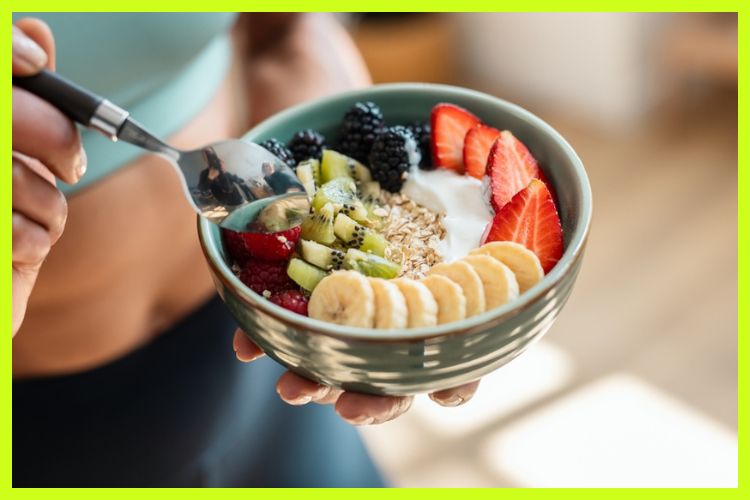
Wellness Marketing vs. Real Life
Somewhere along the line, we started believing that “healthy” meant boutique-level expensive. Blame it on glossy wellness blogs, influencer smoothie hauls, or that friend who insists spirulina is “life-changing.” The message is clear: if your cart doesn’t look like a Pinterest board – organic chia seeds, artisanal almond butter, oat milk hand-pressed by monks – you’re apparently not serious about your health.
But here’s the thing: nutrition science doesn’t care how Instagrammable your pantry is. Your muscles can’t tell the differences between $12 kale chips and a bag of frozen spinach that costs you less than your morning latte. In fact, eating healthy only costs $1.50 more per day than eating unhealthily.
The $15 Smoothie Problem
Walk into any trendy juice bar and you’ll see it: smoothies loaded with exotic powders, adaptogens you can’t pronounce, and a price tag that makes you wonder if it also includes a few drops from the fountain of youth. They might be worth a try, but do they actually outperform basics like oats, bananas, and peanut butter when it comes to fueling a workout? Spoiler: not really.
The Affordable All-Stars
The unsexy truth is that some of the best foods for fitness are the cheapest.
- Frozen veggies: Nutrient-dense and zero wilt guilt.
- Eggs: Protein, healthy fats, and still one of the best bargains in the store.
- Beans and lentils: Fiber, protein, and about a dollar a bag.
- Rice and potatoes: Carb powerhouses for energy and recovery.
They don’t come in sleek packaging or require a “cleanse,” but they work. Consistently.
Key Takeaway
The wellness industry loves to sell the idea that health is a luxury. Reality check: it isn’t. You don’t need exotic powders, miracle snacks, or a grocery cart that screams “Goop starter pack.” You need accessible, consistent foods that support your body without emptying your wallet.
Meal Prep – Your Secret Weapon
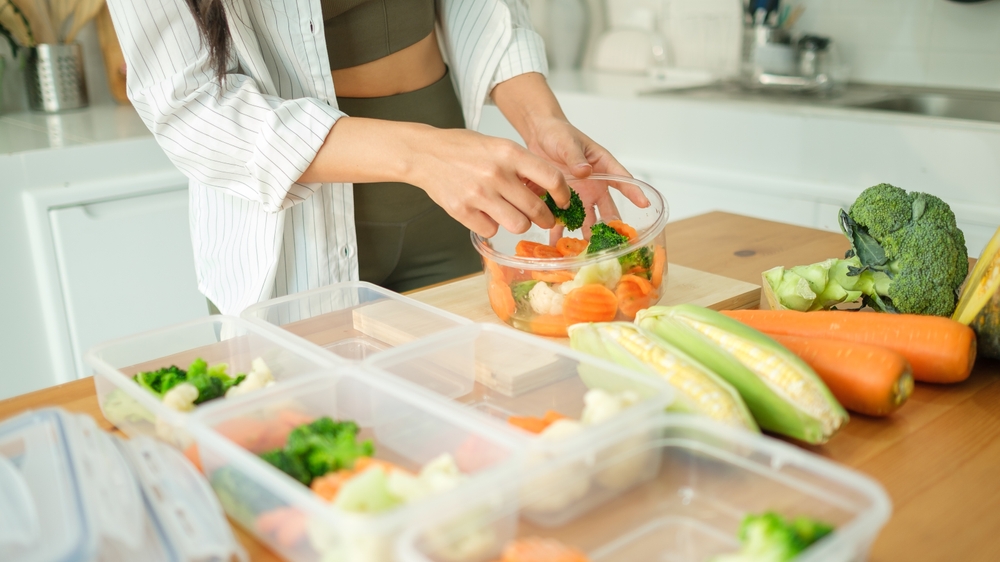
When you hear “meal prep,” your brain might conjure up an image of rows of identical plastic containers filled with dry chicken and sad broccoli. But let’s reframe: meal prep isn’t punishment. It’s freedom. It’s the difference between Tuesday-you grabbing a $14 “protein salad” in desperation, or opening your fridge to find something you already cooked that tastes good and didn’t wreck your budget.
Think of it as future-proofing your week, like setting up a calendar reminder but tastier.

The Economics of Leftovers
Meal prepping saves money in two sneaky ways.
- Bulk buying = better prices: A family pack of chicken thighs is far cheaper per pound than those dainty individual portions.
- Less waste = less guilt: That half-used bag of salad that turns into compost in your crisper? Gone. When you plan ahead, you actually eat what you buy.
So not only will you eat a more balanced diet, you will also likely spend significantly less on groceries. Translation: you’ll save cash and probably sneak in a few extra servings of veggies.
The Building Blocks
You don’t need chef-level skills or endless Tupperware to pull this off. Just think in building blocks.
- Protein base: Chicken thighs, beans, tofu, ground turkey, lentils.
- Carb base: Rice, quinoa, sweet potatoes, oats.
- Veggies: Frozen mixed veg, roasted seasonal produce, bagged salads.
- Flavor boosters: Salsa, hot sauce, olive oil, spices (because no one should be punished with bland food).
Rotate combinations and suddenly you’ve got a week’s worth of variety without the mental gymnastics at 7p.m.
The Freezer = Your Best Friend
If your fridge is tiny or cooking every week feels like a chore, let the freezer do the heavy lifting. Soups, stews, chili, and cooked grains all freeze beautifully and reheat like magic. You don’t have to cook five dishes every weekend – make one giant pot of something hearty, freeze a few portions and thank yourself later.
For the Meal-Prep Haters
Not everyone loves spending hours in the kitchen. Fair. If you fall into that camp, try “micro-prepping”.
- Cook a double batch of carbs when you’re making dinner.
- Chop a week’s worth of onions and peppers in one go.
- Roast a sheet pan of veggies while Netflix is running in the background.
Small moves, big payoffs.
Key Takeaway
Meal prep isn’t about being rigid, it’s about lowering stress, saving money, and keeping your nutrition on track without relying on overpriced takeout. Think of it less as “bodybuilder ritual” and more as “budget-friendly self-care.”
Protein on the Cheap
Why Protein Gets Overhyped (and Overpriced)
If you spend five minutes in the fitness corner of the internet, you’d think protein is some mythical substance guarded by supplement companies. Yes, it’s important (for muscle repair, satiety, energy) but you don’t need to bankrupt yourself with $60 tubs of powder or fancy jerky sticks. Your body can’t tell if the protein came from a budget bag of lentils or a grass-fed, hand-massaged, Japanese cow. It just cares that you got enough of it.
The MVPs of Affordable Protein
- Eggs: nature’s original protein pod: At roughly 6–7 grams of protein per egg, these little guys are nutritional gold. Scramble them, hard-boil them, toss them on toast. Cheap, versatile, and still one of the best bargains in the grocery store.
- Canned tuna and salmon: Packed with lean protein, long shelf life, and about $1–2 a can. Mix with Greek yogurt or mustard (skip the mayo flood) for a quick, high-protein meal. Bonus: omega-3s for your brain and joints.
- Beans and lentils: Protein plus fiber, your digestion will thank you. A cup of lentils has about 18 grams of protein for pocket change. They may not scream “post-workout fuel,” but paired with rice or veggies, they’re a powerhouse.
- Greek yogurt and cottage cheese: Both clock in around 10-15g of protein per serving, often great value if you buy larger tubs. Add fruit, oats, or a drizzle of honey and you’ve got a breakfast or snack that rivals pricey protein bars.
- Chicken thighs and drumsticks: Skin-on or boneless, they’re significantly cheaper (and tastier) than chicken breasts. Same protein punch, more flavor, and friendlier on your wallet.
- Peanut butter: Okay, peanut butter isn’t a protein heavy-hitter (about 4g per tablespoon), but its calorie-dense, satisfying and makes everything taste better.
Supplements: Helpful Not Mandatory
Protein powders have their place – convenience matters when you’re running out the door or don’t feel like cooking, but they’re not essential. Think of them as “plan B,” not the foundation of your diet. If you can get most of your protein from whole foods, your wallet (and your digestion) will thank you.
How to Make It Stick
The trick isn’t just buying protein-rich foods, it’s making them easy to grab when hunger hits. Boil a dozen eggs on Sunday. Keep a stash of tuna packets in your bag. Cook a pot of beans and freeze half. Convenience is half the battle.
Protein doesn’t have to come with a luxury tax. From eggs to lentils, there are endless affordable ways to hit your fitness goals without selling a kidney for supplements. Focus on consistency, not hype, and let the budget friendly staples do their job.
Carbs and Fats That Don’t Break the Bank
Carbs: Not the Enemy, Just Misunderstood
Poor carbs. They’ve been dragged through every diet trend from Atkins to keto, painted as the villain behind everything from weight gain to world peace failure. But here’s the reality: if you’re active, carbs are your body’s preferred energy source. They refill glycogen stores, fuel workouts, and keep your brain from feeling like mashed potatoes.
And the best part? They’re some of the cheapest foods in the store.
- Rice: Pennies per serving, lasts forever in your pantry.
- Oats: Breakfast powerhouse, doubles as baking material.
- Potatoes: Versatile, filling, and criminally underrated.
- Bananas: Portable, nutrient-rich, and basically nature’s energy bar.
- Pasta: No explanation needed - comfort food that also fuels.
Fats: The Unsung Hero of Satiety
Fats have been through their own PR nightmare (shout-out to the “fat-free” craze of the 80s and 90s), but your body needs them. They support hormone health, brain function, and help you feel full. And you don’t need to drop $20 on almond butter to get the benefits.
- Peanut butter: Still one of the cheapest and most satisfying spreads.
- Olive oil: A little goes a long way – use it for cooking and dressings.
- Eggs: Protein and fat combo, which is why they keep you so full.
- Seeds (sunflower, pumpkin, flax): Usually cheaper in bulk bins than fancy nut mixes.
The Balance Equation
Carbs and fats are not the enemy, nor are they going to break the bank. They’re teammates with protein in the recovery and performance game. A hearty Spanish omelet with some salsa? Balanced meal. Oats with peanut butter and banana? Fuel for hours. You don’t need a gourmet avocado toast when a bag of pasta or a sprinkling of seeds will add the nutrition you need. The trick is leaning into the affordable stapes that work double duty: filling you up, fueling your workouts, and keeping your grocery bill sane.
Smart Grocery Shopping Strategies
Shop Smarter, Not Harder
Here’s the harsh truth: most of us don’t have a food budget problem, we have a food planning problem. You don’t need to slash your grocery list in half or survive on ramen. You just need a few strategies that keep you fed, fit, and financially intact.
Bulk Buys = Big Wins
Buying in bulk isn’t just for giant families or doomsday preppers. Grains, beans, oats, frozen chicken, even spices - when you buy larger packs, the price per serving drops dramatically. If Costco feels intimidating, try ethnic markets or bulk bins at regular grocery stores. Pro tip: split a bulk buy with a friend if storage space is an issue.
Frozen is Your Friend
Frozen veggies and fruits are often cheaper, last longer, and are flash-frozen at peak freshness (i.e. they can actually be more nutritious than that sad “fresh” broccoli that traveled for days before hitting the shelf). Keep bags of mixed veggies, berries or spinach in the freezer and you’ll always have a backup plan.
Compare Unit Prices, Not Labels
That “value size” peanut butter? Sometimes it’s a scam. Always check the unit price (that tiny number on the shelf tag showing cost per gram). It’s the real truth about whether you’re getting a deal or just paying for extra packaging.
Store Brands > Name Brands
Here’s a radical thought: your muscles don’t know if your oats are Quaker or store-brand. Generic brands are often made in the same factories as their flashy cousins, minus the marketing budget. Swap shamelessly.
Plan to Prevent Waste
Food waste is basically throwing money in the trash. Plan around perishables.
- Buy smaller amounts of quick-spoiling produce.
- Base meals on a few versatile staples you can remix.
- Cook once, repurpose twice (tonight’s roasted veggies = tomorrow’s omelet filler).
If your fridge has ever looked like a kale graveyard, you know this matters.
Smart shopping isn’t about deprivation, it’s about strategy. Buy bulk where it counts, lean on frozen produce, ditch brand snobbery, and plan enough to keep food out of the trash. Do this, and your grocery bill starts working with you, not against you.
Balancing Health and Real Life
The truth is that no one eats perfectly all the time. Sometimes you’re going to meal prep like a champ, and sometimes you’re going to stress-eat nachos at 11 p.m. after a long day. That doesn’t mean you’ve blown your budget or your fitness goals, it just means you’re human.
The Occasional Takeout Hack
Eating out is part of modern life, and pretending otherwise is unrealistic. The trick is to make small tweaks that stretch your dollar and keep you closer to your goals. At Chipotle, doubling beans instead of meat adds protein and fiber for way less money. At a pizza place, order a side salad and two slices instead of a whole pizza – you’ll feel satisfied without the food (and cost) coma.

Focus on Sustainability
Crash-diet grocery shopping (where you buy all organic, all grass-fed, all expensive) lasts about two weeks before you burn out. A smarter approach is aiming for balance: most budget-friendly staples, sprinkled with the occasional splurge that makes eating enjoyable. Buy the good olive oil if you love it. Pick up the fancy granola if it makes mornings easier. Build your baseline around affordable staples so luxuries don’t sink your budget.
Mental Health Matters Too
Nutrition is important, but so is your relationship with food. If trying to “eat clean” 100% of the time leaves you stressed and broke, that’s not healthy. Food should support your life, not dominate it.
Balance is the real fitness hack. Plan and prep most of your meals, embrace budget staples, but leave room for real-life flexibility. Because a lifestyle you can actually stick with will always outperform the perfect plan you abandon after three weeks.
Fueling Your Body Without Draining Your Wallet
Eating for fitness on a budget isn’t about deprivation, it’s about strategy. The wellness industry wants you to believe health comes in shiny packages with $15 price tags, but the truth is far less glamorous (and way more sustainable). Rice, beans, eggs, frozen veggies – these humble staples will fuel your workouts just as well as any designer smoothie.
Meal prep turns chaotic evenings into calm ones, affordable proteins quietly outperform overpriced powders, and smart shopping strategies keep both your fridge and your bank account full. Add in carbs and fats (the loyal teammates, not the villains they’ve been made out to be), and you’ve got a foundation that supports your goals without bleeding your wallet dry.
Most importantly, balance matters. Life will hand you pizza nights, road trips, and late-night cravings. That’s not failure – its reality. When your baseline diet is affordable, nutrient-rich, and consistent, those moments don’t derail you; they just fit into the bigger picture.
So skip the financial guilt trip and embrace the budget-friendly basics. Save the kale smoothies for Instagram if you want, but know this: your beans, rice, and eggs are quietly fueling gains that no $12 açai bowl can match.