
Is hearing loss quietly changing how you connect with conversations, music, or the small sounds that shape daily life? Clinical trials focused on hearing loss have become a critical area of research, drawing attention from people seeking options beyond traditional devices and therapies. These studies explore new medications, regenerative techniques, and advanced technologies with the goal of protecting or restoring hearing. Understanding how these trials work can clarify what participation involves and what realistic expectations look like.
Understanding Hearing Loss And Why Trials Matter
Hearing loss is not a single condition but a broad spectrum of challenges that affect how sound is perceived and processed. It may develop gradually, appear suddenly, or progress due to age, noise exposure, illness, or genetic factors. Clinical trials exist because current treatments often manage symptoms rather than address underlying causes. Researchers use trials to test whether new approaches can slow progression, repair damaged structures, or improve how the auditory system functions overall.
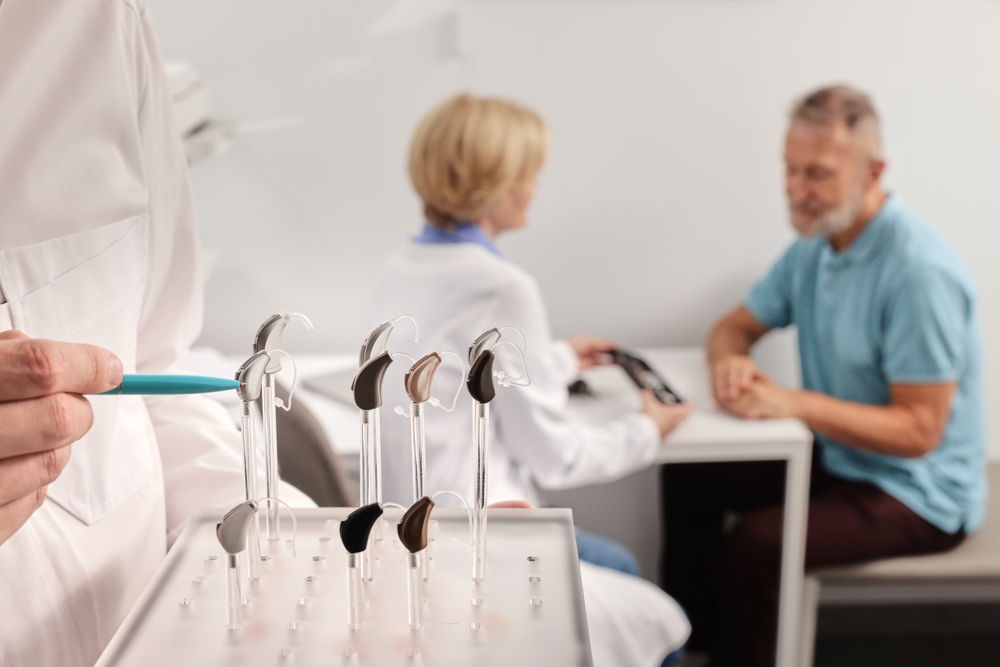
Participation in a clinical trial also plays a larger role beyond individual benefit. Each study adds to a growing body of evidence that helps refine future treatments and guide medical practice. Trials are conducted in phases, beginning with safety assessments and advancing toward larger studies that measure effectiveness. This structured process ensures that any promising therapy is evaluated carefully, balancing innovation with participant safety and ethical standards.
Why Clinical Trials Are Essential
- They evaluate treatments before they become widely available
- They establish safety standards through phased testing
- They help researchers understand which approaches work best for specific hearing loss types
- They contribute to long-term improvements in hearing care
Types Of Hearing Loss Clinical Trials Being Conducted
Clinical trials for hearing loss span several categories, reflecting the complexity of the auditory system. Some studies focus on pharmaceutical treatments designed to reduce inflammation, protect nerve cells, or improve blood flow within the inner ear. Others explore gene-based or regenerative therapies aimed at repairing sensory cells that do not naturally regrow. Device-related trials may evaluate advanced implants, sound-processing algorithms, or hybrid approaches that combine technology with biological treatments.
Each trial targets a specific type or cause of hearing loss, which is why eligibility criteria can be very precise. Researchers must ensure that participants share similar characteristics so results are meaningful. This precision allows studies to answer focused questions, such as whether a treatment benefits sudden hearing loss versus long-term gradual decline. Over time, these targeted efforts contribute to a more personalized approach to hearing care.
Common Trial Categories
- Medication-based therapies targeting nerve or cell protection
- Regenerative and gene-focused treatments
- Device and implant technology studies
- Combination approaches blending biological and technological solutions
What Participation In A Clinical Trial Involves
Joining a hearing loss clinical trial typically begins with a screening process that includes medical history reviews, hearing assessments, and sometimes imaging or lab tests. These steps confirm whether a participant meets the study’s criteria and help establish a baseline for comparison. Once enrolled, participants follow a structured schedule that may involve regular visits, treatment administration, and detailed hearing evaluations over weeks or months.
Trials are designed to minimize risk, but participation still requires commitment and careful consideration. Some studies use placebos, while others compare new treatments to existing standards of care. Participants are informed about potential risks, benefits, and their right to withdraw at any time. This transparency allows individuals to make informed decisions while contributing to research that could shape future hearing loss therapies.
Typical Participant Commitments
- Attending scheduled clinic visits over weeks or months
- Completing repeated hearing evaluations
- Reporting symptoms or side effects
- Following study guidelines closely
Potential Benefits And Limitations Of Clinical Trials
Clinical trials can offer access to treatments that are not yet widely available, which is a major draw for many participants. For some, this means the possibility of improved hearing outcomes or closer medical monitoring than standard care provides. Even when personal benefits are uncertain, participants often value contributing to research that may help others facing similar challenges.
At the same time, trials come with limitations. Experimental treatments may not work as hoped, and results can vary widely among individuals. Time commitments, travel requirements, and strict study protocols can also be demanding. Understanding these factors helps set realistic expectations and reinforces the importance of viewing clinical trials as research first, with personal benefit as a potential but not guaranteed outcome.
Weighing Pros And Cons
- Possible access to new treatment options
- Enhanced monitoring and specialist care
- Uncertain effectiveness of experimental therapies
- Time, travel, and protocol demands
How Safety And Ethics Are Maintained
Safety and ethics are central to every hearing loss clinical trial. Studies must be approved by independent review boards that evaluate risks, study design, and participant protections. Throughout the trial, researchers monitor participants closely, documenting side effects and adjusting protocols if concerns arise. This ongoing oversight ensures that participant well-being remains the top priority.
Informed consent is another cornerstone of ethical research. Participants receive clear explanations about the study’s purpose, procedures, and potential risks before agreeing to take part. Consent is not a one-time event but an ongoing process, with updates provided if new information emerges. These safeguards help maintain trust between researchers and participants while supporting responsible scientific progress.
Key Ethical Protections
- Independent oversight of study design
- Ongoing safety monitoring
- Clear informed consent procedures
- Participant right to withdraw at any time
Looking Ahead In Hearing Loss Research
The future of hearing loss clinical trials reflects a shift toward deeper understanding of how hearing works at the cellular and neurological levels. Advances in imaging, genetics, and data analysis are allowing researchers to design more precise studies and identify which treatments may work best for specific individuals. This progress points toward therapies that address causes rather than simply compensating for loss.
As research continues, clinical trials remain the bridge between discovery and real-world care. They represent cautious optimism grounded in rigorous testing and ethical responsibility. For those exploring participation, understanding the purpose and process of these trials can transform uncertainty into informed curiosity about what lies ahead for hearing health.