
When you hear the word Botox, what comes to mind—frozen faces, Hollywood clichés, or maybe your aunt who swears she “just looks well-rested”? The truth is, Botox has been wrapped in myths for so long that it’s hard to separate fact from fiction. But if you’ve ever wondered what really goes down when that needle hits your forehead, let’s cut through the noise and break it down.
Myth #1: Botox Freezes Your Face
This is the OG myth, and it’s mostly thanks to overdone celebrity tabloid photos. Botox doesn’t “freeze” your face—it relaxes targeted muscles so wrinkles caused by repeated movements (like squinting, frowning, or raising your brows) soften. You’ll still be able to express yourself; you just won’t have deep furrows showing up as aggressively. The “frozen” look usually happens when someone gets way too much product or it’s placed poorly—not from Botox itself.
Myth #2: It’s Just for Older People
Millennials and even Gen Z are big drivers of Botox demand. Why? Preventative Botox. By tackling expression lines before they set in, people are using Botox as a way to “age smarter,” not as an emergency wrinkle-eraser. Think of it less as crisis management and more like wearing sunscreen: it’s easier to prevent than undo.
Myth #3: Botox Is Dangerous
Botox is FDA-approved and has been used safely for decades—not just cosmetically, but medically. In fact, it was originally developed for conditions like eye spasms and is still used for migraines, TMJ, and even excessive sweating. Of course, it should only be administered by a licensed professional (please don’t trust “Botox parties” in someone’s living room). But when done right, it’s considered one of the safest cosmetic procedures out there.
Myth #4: Once You Start, You Can’t Stop
Here’s the thing: if you stop getting Botox, your face doesn’t collapse into some dramatic wrinkle apocalypse. You’ll simply go back to how your skin would have naturally aged without it. The results gradually fade as your muscles regain full movement. No harm, no foul—though many people choose to keep it up because they like the refreshed look.
Myth #5: Botox Works Immediately
Sorry to disappoint, but Botox isn’t a magic “one-and-done” injection that erases lines in minutes. It usually takes about 3–7 days to kick in, with full results around the two-week mark. The effects last three to four months on average, so it’s more of a seasonal commitment than a permanent change.
So, What Actually Happens When You Get Injected?
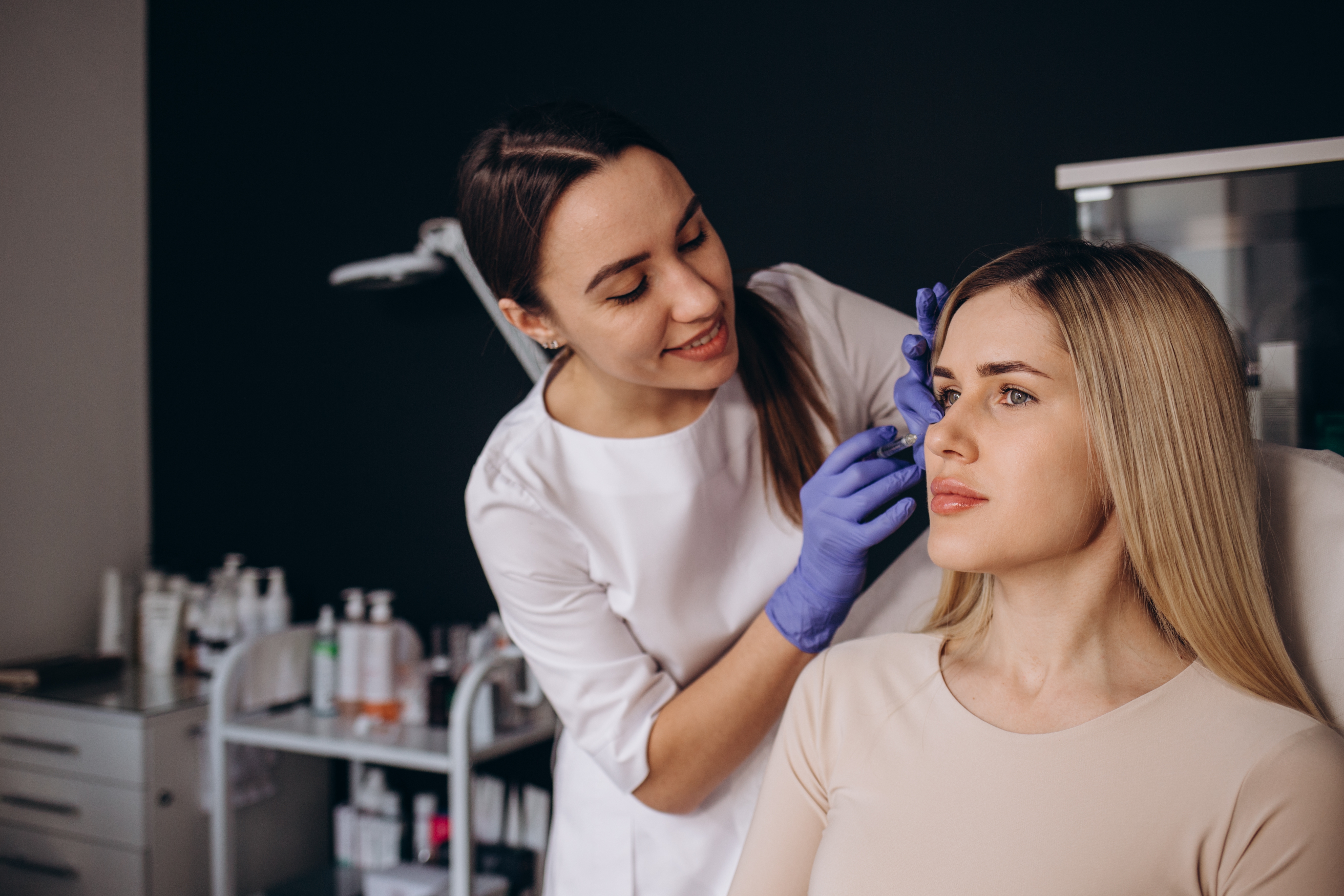
Picture this: you walk into a clinic, chat through your goals, and the provider maps out tiny injection points. The needle is fine (think mosquito bite, not tetanus shot), and most sessions take 10–15 minutes. You might have some redness or small bumps for a few hours, but you can usually go right back to work, brunch, or that Zoom call. Within a week, your expression lines start to look smoother, but you still look like you—just a little less “I haven’t slept in three days.”
The Bottom Line
Botox isn’t about becoming a mannequin or chasing unrealistic beauty ideals. For most people, it’s about subtle tweaks that help them feel more confident when they look in the mirror (or the dreaded front-facing camera). Like anything else, it’s a tool—one that, when used thoughtfully, can help you age on your own terms.