
Here’s the thing nobody tells you when you start working out in your late twenties or early thirties: the workouts themselves aren’t what wreck you. It’s the day after. Suddenly, climbing stairs feels like scaling Everest, and sitting down on the toilet becomes a full-on glute workout. Welcome to the glamorous world of muscle recovery.
The problem? Most people still treat recovery like it’s optional. But recovery isn’t the extra, it’s the main event. It’s when your muscles actually rebuild, when your body adapts, and when you make the gains you’re sweating for in the first place. Skip it, and you’re basically throwing away half your effort (and upping your chances of limping into work with a pulled hamstring).
Now, you could spend a small fortune on recovery toys: infrared saunas, $400 massage guns, cryotherapy chambers that make you feel like a frozen burrito. But let’s be honest, most of us are juggling rent, groceries, and maybe a couple of streaming subscriptions we keep forgetting to cancel. Spending like a pro athlete isn’t in the cards.

However, you don’t need a trust fund or a wellness influencer’s budget to recover well. From ten-dollar foam rollers to free stretching apps, sleep tweaks that don’t involve buying a $3,000 mattress, good old cold water and supplements that actually deliver without draining the bank, there are plenty of ways to boost recovery on the cheap. Think of it as performance insurance – practical, effective, and budget friendly.
Key Recovery Processes and What Happens If You Skip Them
The Roll Call – Foam Rolling on a Budget
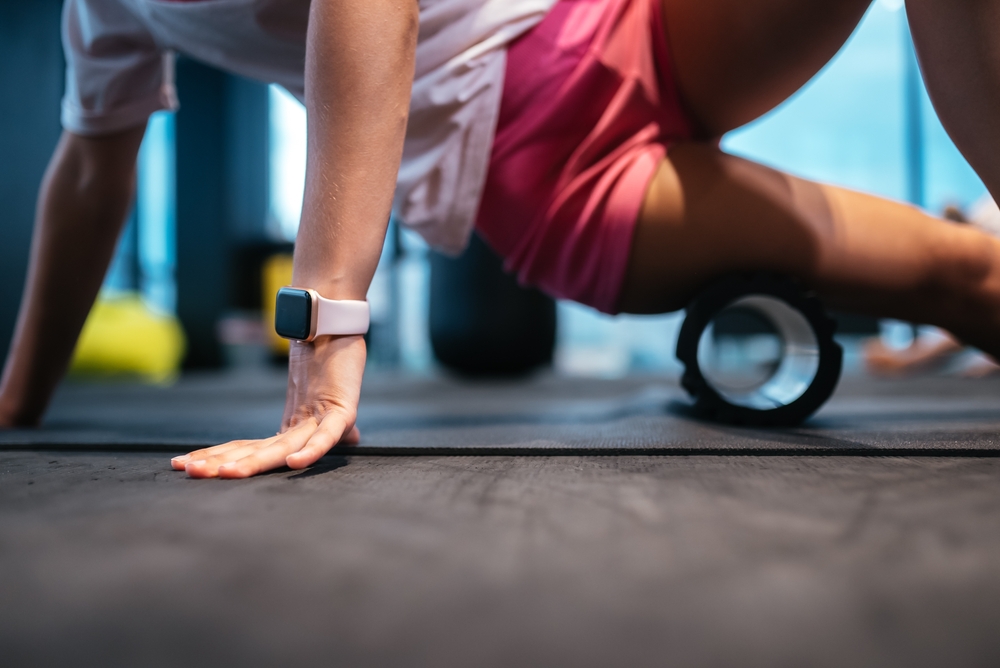
Foam rolling looks a little ridiculous. Let’s just acknowledge that upfront. You’re basically grinding your quads against a giant pool noodle while making pained faces that could land you in a meme. But there’s a method to the madness. Foam rolling works through something called myofascial release – basically, it helps loosen up tight muscles, improve blood flow, and increase your range of motion. Translation: you recover faster, move better, and reduce the odds of waking up the next morning feeling like the Tin Man before his oil can.
You Don’t Need a $70 Vibrating Cylinder of Doom
The fitness industry loves turning simple tools into high-tech status symbols. Cue the $200 “smart rollers” that vibrate, light up, and maybe double as a Bluetooth speaker (okay, not yet, but give it time). Here’s the truth: your body doesn’t care how fancy your foam roller is. A basic $10 one does the job just fine. You can even get creative and DIY it. Tennis or lacrosse balls work great, or even a length of PVC pipe from the hardware store. All way cheaper, all equally effective.
When (and How to Roll Without Regret)
You don’t need to spend hours rolling yourself like pizza dough. Five to ten minutes is plenty, either before a workout to warm up or afterwards to help with recovery. Target the big players: quads, hamstrings, calves, glutes, and back. The trick is to go slow, breathe through the discomfort, and stop if you feel sharp pain.
The Pain is Weirdly the Point
Foam rolling hurts. There’s no sugarcoating it. But it’s the good kind of pain - the kind that feels like you’re doing something productive, not the kind that has you questioning your life choices. If you stick with it, the discomfort lessens, your muscles loosen, and you might even learn to enjoy it. Or at least tolerate it, which is basically the same thing when it comes to fitness.
Bend, Don’t Break – Stretching and Mobility Apps
Stretching has the same reputation as flossing: everyone agrees it’s good for you, almost nobody does it consistently, and you only regret skipping it when things get painful. The science backs it up – regular stretching and mobility work improves flexibility, helps prevent injuries and keeps your joints moving smoothly. It’s basically WD-40 for your body.
Apps to Keep You Supple
We live in an age where your phone can summon a date, a dinner, or a dog walker in minutes, so why not use it to keep your hamstrings happy? There are a few solid (and affordable) options.
- Down Dog (Stretching app): Clean, customizable, and offers free trials.
- Pliability (was ROMWOD): Designed with athletes in mind; great if you like structured routines.
- YouTube Heroes: Channels like Yoga with Adriene or mobility coaches who post free, follow-along sessions
- Freebie Hack: Many premium apps offer a 7–14 day free trial. Cycle through them strategically and you’ve got months of guided stretching without paying a cent.
When to Stretch (and When Not To)
Dynamic stretches before a workout = good warm-up. Static stretches after = better recovery. Stretching cold muscles right out of bed? Not the best idea unless you want to feel like a pulled rubber band. A couple of 10-minute sessions a week can make a huge difference – no need to spend hours folding yourself into origami shapes.
It’s Not About Touching Your Toes
Forget the pressure of bending like a circus performer. Flexibility looks different on everyone, and the goal is function, not Instagram aesthetics. If you can move freely, avoid injuries, and not grunt every time you bend to pick up a grocery bag, then you’re doing it right.
Sleep – The Original (and Free) Recovery Tool
If sleep came in a pill, it would outsell protein powder, pre-workout, and CBD gummies combined. Sleep is when your body does the heavy lifting of recovery: muscle fibers repair, hormones rebalance, and your immune system runs a software update. Skimp on it, and you’re doing yourself seriously dirty.
Why Most of Us Are Terrible at It
Blame it on late-night TikTok scrolls, Netflix autoplay, or the irresistible siren call of “just one more email.” Modern life is engineered to rob us of rest. The result? A generation of adults who brag about “running on four hours” while quietly googling “why am I always tired.” Spoiler: it’s because you need more sleep.
Budget Friendly Sleep Hacks
You don’t need a luxury mattress or a high-tech ring that tells you that you’re tired (you already know).
- Blackout curtains: Or even a cheap eye mask – darkness cues melatonin.
- Cooler temps: Aim for 65–68°F. And try opening a window for a natural breeze before you spend half your paycheck on a Dyson fan.
- Screens off: Just switching the tech off an hour before bed (or at least turning it to night mode) will ensure that your brain doesn’t think its noon.
- Magnesium supplements: Inexpensive, widely available, and shown to support better sleep quality.
- Noise hacks: Free white-noise apps, podcasts, sleep stories, or even a humble box fan.
How Much Is Enough?
The golden rule: seven to nine hours. Less, and you’re shortchanging your recovery. More, and you might just be avoiding life (which, hey, we’ve all been there). The key is consistency – going to bed and waking up around the same time trains your body to do its repair work on schedule by supporting that good old circadian rhythm.
The Unsexy but Powerful Truth
Sleep doesn’t get the hype of ice baths or compression boots, but it outperforms them all. It’s free, it’s effective, and it’s available every single night. Treat it as the foundation of your recovery, not the afterthought. Because honestly? No amount of foam rolling or supplements will save you if you’re running on fumes.
Eat Smart: Budget-Friendly Nutrition for Recovery
Food First, Supplements Second
Supplements are great, but they should never replace actual food. Your muscles don’t just need protein, they need carbs to refuel glycogen, healthy fats to fight inflammation, and a rainbow of vitamins and minerals to keep the whole machine running. The good news? You don’t need to live on $12 acai bowls to eat like an athlete.
Affordable Recovery Foods That Punch Above Their Price Tag
- Eggs: Nature’s protein-packed multivitamin. Cheap, versatile, and delicious in everything from omelets to ramen upgrades.
- Oats: Great for carbs, fiber, and micronutrients. Plus, they cost about 10 cents per serving.
- Beans and lentils: Budget-friendly protein and fiber bombs.
- Frozen veggies: Just as nutritious as fresh, often cheaper, and way less likely to rot in your fridge.
- Bananas: The OG recovery snack: potassium for cramp prevention, and natural sugars for refueling.
- Greek yoghurt: High in protein, probiotic benefits, and often on sale.
The Meal-Prep Advantage
Cooking at home saves money and sets you up for better recovery. A Sunday batch-cook of chili, stir fry, or overnight oats costs less than a week of post-gym takeout. Bonus: no mystery oils or sodium bombs.
Nutrition Without the Hype
Forget about magic foods or extreme diets. Recovery nutrition is about balance, variety, and consistency. Real food, on a real budget, will outperform any overpriced supplement stack. Think of your grocery list as your recovery toolkit, you just need to use it wisely.
Supplements Without the Extreme Price Tag
The Wild West of Recovery Supplements
Walk into any health store, scroll through Instagram ads, or peek at your favorite influencer’s smoothie, and you’ll find a dizzying array of powders, pills, and potions. “Muscle Repair Elixir,” “Collagen SuperBlend,” “Recovery Matrix 3000.” It all sounds fancy, but the truth? Most of it is marketing with a side of unicorn dust. You don’t need to break the bank (or your common sense) to recover effectively, just a few supplement staples.
Budget-Friendly Essentials That Actually Work
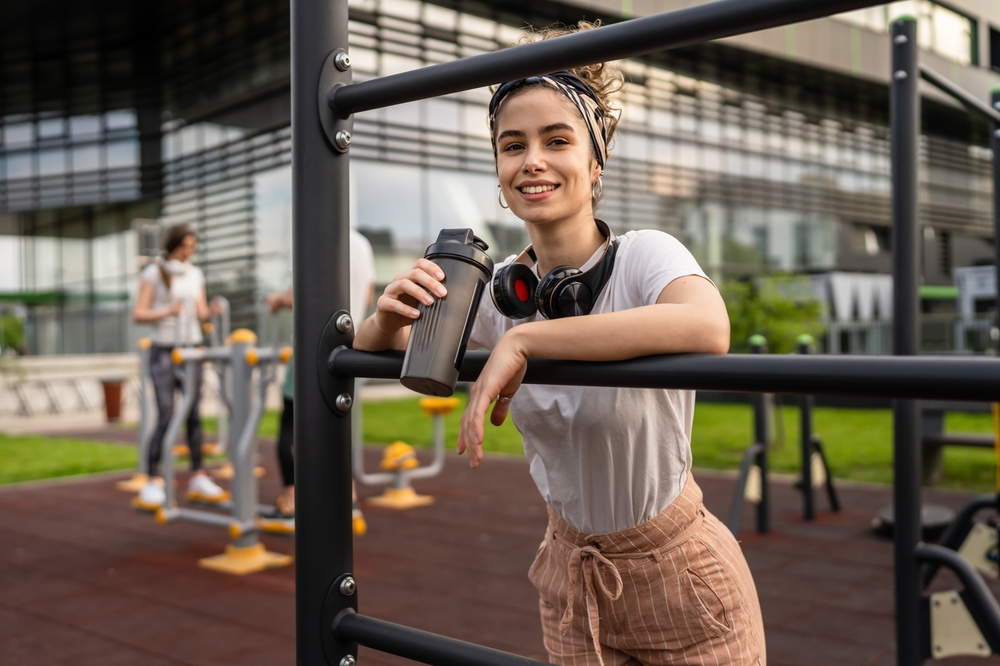
- Protein: Your muscles need building blocks, and protein is the simplest. Whey, pea, soy, or even whole foods like eggs, chicken, or beans do the job. Skip the expensive “recovery shakes” unless you’re into overpriced convenience.
- Creatine: Cheap, safe, and one of the most studied supplements in sports science. It helps with strength, power, and yes, recovery too.
- Omega-3s: Fish oil or plant-based flaxseed supplements can help with inflammation. Optional, but useful if your diet is heavy on processed foods.
- Electrolytes: You can DIY with a pinch of salt, water, and a splash of citrus instead of buying $5 sports drinks every workout.
What to Skip
Unless you just enjoy throwing money at jars with shiny labels, skip overpriced “muscle repair” blends, exotic powders, and collagen unless you genuinely enjoy it. If it sounds like a Marvel villain invented it, it probably isn’t necessary.
And remember, supplements are exactly that: supplements. They complement good sleep, smart movement, and proper nutrition, not replace them.
Free (or Almost Free) Recovery Tactics You’re Overlooking
Hydration: The Most Boring but Effective Hack
Water isn’t glamorous, but it’s essential. Staying hydrated helps your muscles recover, flushes out metabolic waste, and keeps your joints happy. Pro tip: if you feel thirsty, you’re already a step behind. Think of water like engine-oil for your body – boring, necessary, and quietly preventing disaster.
Walking: Active Recovery Without a Peloton
You don’t need a $2,000 bike or fancy recovery session to keep your muscles happy. Light movement, like walking, promotes blood flow and speeds up recovery. Even a 20-minute stroll counts. You can also use it as a mental recovery moment and listen to a podcast, music or just be amongst nature.
Cold Showers / Ice Baths: The DIY Edition
Yes, ice baths are trending in the wellness world and yes, they can help with inflammation. But you don’t need a cryotherapy chamber that costs more than your rent. A cold shower, or even a bucket of ice water in the bathtub works just fine. Warning: it’s shocking at first, but nothing says “I’m adulting” like willingly freezing yourself for the sake of your quads.
Mind-Body Practices: Stress = Recovery Kryptonite
Many of these tactics are old-school, cheap, and effective, basically everything your grandmother would approve of. Hydrate, move, rest, breathe. Not flashy, not expensive, but they work. And yes, that’s why she’s still kicking it while your trendy gadget collection collects dust.
Injury Prevention – The Real ROI
Why Injuries Are Expensive (In More Ways Than One)
An injury isn’t just painful, it’s costly. Doctor visits, physio sessions, missed gym time, maybe even missed work. And let’s not forget the frustration of watching all your progress stall while you nurse a cranky knee or strained back. Prevention isn’t just about staying healthy; it’s about saving time, money and sanity.
Affordable Habits That Pay Off Big
You don’t need a personal physio on speed dial to keep injuries at bay. A few low-cost but high-impact habits can go a long way.
- Warm-ups that actually warm you up: Dynamic stretches and light movement, not a token quad pull before sprinting.
- Consistency with mobility: A few minutes a couple of times a week beats an hour of stretching once a month.
- Listen to your body: Pain is a signal, not a challenge. Ignoring it is like hitting “snooze” on a fire alarm.
- Alternate intensity: Hard days balanced with lighter ones help you recover faster and reduce strain.
The Mindset Shift
Most of us only pay attention to recovery once something hurts. But the real flex is being proactive. Injury prevention isn’t about bubble-wrapping yourself; it’s about setting your body up to perform long-term. Because nothing kills momentum faster than being sidelined for six weeks over something that could’ve been avoided with a five-minute stretch.

Investing a little time now saves a lot of hassle later. Think of it as compound interest for your body – the earlier and more consistently you do it, the bigger the payoff down the line. And unlike your retirement account, this one pays out in pain-free workouts and fewer awkward limps into Monday meetings.
Recovery That Fits Your Body and Your Budget
So there it is – recovery isn’t about having the fanciest gadgets, the priciest powders, or a cryotherapy membership that burns a hole in your pocket. It’s about consistency with the simple stuff, the things that actually work, even if they don’t look sexy on Instagram.
Foam rolling with a $10 roller (or a tennis ball stolen from the back of your closet). Stretching for ten minutes a few times a week with a free app. Going to bed on time instead of watching “just one more” episode. Drinking water like it’s your job. These aren’t ground-breaking ideas, but they’re the difference between feeling strong and side-lined.
The best part? They’re cheap, accessible, and available right now. You don’t need to wait until payday or save up for the latest biohacking gadget. You can start tonight by turning your phone off 30 minutes earlier, or tomorrow by actually doing that cool-down instead of skipping it. Think of affordable recovery as performance insurance. It keeps you training, moving, and living without burning out, or, worse, breaking down. Because let’s be real: nobody’s impressed by a six-pack if it comes with a limp.
So, start small. Pick one recovery habit this week and make it stick. Add another next week. Before long, you’ll notice you’re stronger, less sore, and, dare I say, kind of smug about how little you spent.