
Picture this: you’re living in the heart of a bustling city, paying less than you ever thought possible, and everything you need is within reach—literally. No, it’s not some new dystopian Netflix show. It’s the rise of the micro-apartment. But are these compact living spaces the long-awaited answer to affordable city life, or just a clever way to convince us that “tiny” is trendy?
What Exactly Is a Micro-Apartment?
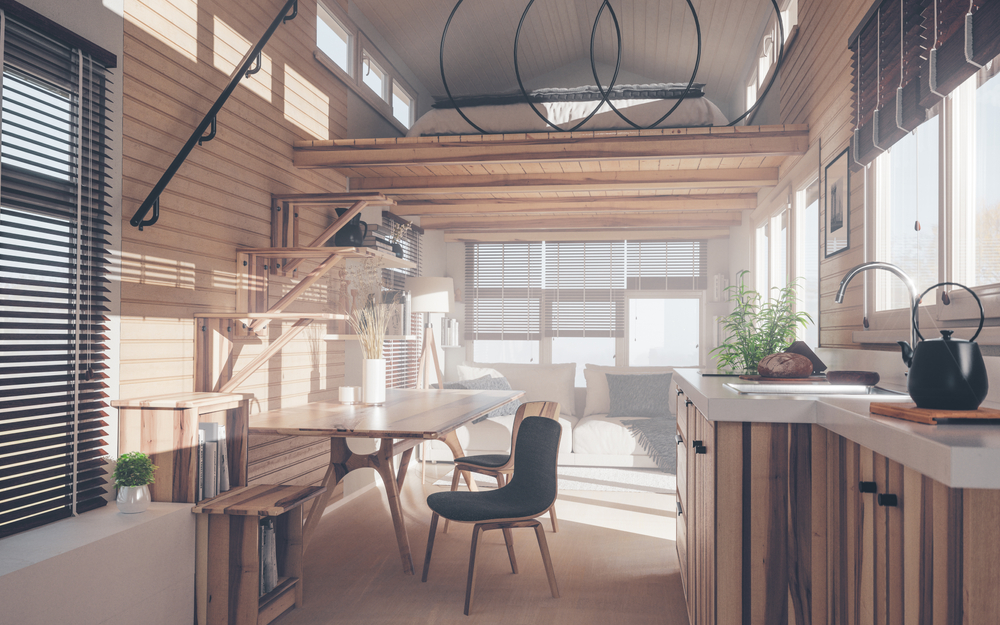
Think of micro-apartments as the Marie Kondo version of housing. Typically ranging from 200 to 400 square feet, they’re designed to maximize every inch with built-ins, multipurpose furniture, and layouts that make a shoebox feel like a TARDIS (okay, almost). You get the essentials—a bed, kitchenette, bathroom, and sometimes even communal amenities like co-working spaces or rooftop gardens—but forget about hosting Thanksgiving dinner unless your guests are cool with sitting on the bed.
Why They’re Gaining Popularity
- Rent relief in pricey cities: With urban rents skyrocketing, micro-apartments can shave hundreds (sometimes thousands) off the monthly bill.
- Location, location, location: These units often pop up in prime neighborhoods where a normal apartment would be laughably out of budget.
- Minimalism meets convenience: Younger renters are leaning into lifestyles where “less stuff, more freedom” actually feels appealing. And if you’re constantly at work, at the gym, or grabbing takeout anyway, why pay for unused square footage?
The Trade-Offs (Because of Course There Are Some)
Sure, the rent is cheaper, but your social life might need adjusting. Hosting friends? Tight squeeze. Storing your Costco haul? Forget it. And while some people thrive in a pared-down lifestyle, others find the lack of space claustrophobic—mentally as much as physically.
There’s also the philosophical question: are micro-apartments a solution to housing affordability, or just a symptom of cities failing to provide enough livable, reasonably priced housing? A cynic might say we’re being conditioned to accept less space as “normal” while developers cash in on the trend.
Global and U.S. Examples
- New York City: The poster child for micro-living, NYC launched pilot programs like Carmel Place, with units averaging 260–360 square feet. Renters embraced the idea—especially since these units were located in Manhattan and priced lower than typical studio apartments in the same area.
- Seattle: Known for its tech-driven housing crunch, Seattle has leaned heavily into micro-apartments (often called “aPodments”). These often come with shared kitchens or lounge spaces, letting residents balance private minimalism with communal perks.
- San Francisco: In a city where rent prices have practically become a punchline, micro-apartments have been pitched as one of the only “affordable” ways for younger professionals to live near downtown without selling their soul (or organs).
- Tokyo: Japan has been perfecting tiny living for decades, with some apartments barely hitting 150 square feet. While this might feel extreme to Americans, Tokyo’s efficient designs and focus on livability show how well-thought-out micro-units can thrive in high-density cities.
- Hong Kong: On the less romantic side of the spectrum, Hong Kong’s “nano flats” have drawn criticism for being too cramped, raising questions about dignity, health, and whether tiny living crosses a line into housing inequality.
Pros vs. Cons of Micro-Apartments
Tips for Making Micro-Living Work
If you’re seriously considering moving into a micro-apartment—or you just like the idea of living with less—these strategies can make the experience a lot smoother.
- Go vertical: Use shelving, wall hooks, and lofted furniture to take advantage of vertical space. If the floor’s crowded, look up.
- Invest in multipurpose furniture: A bed that folds into a couch, a dining table that doubles as a desk—these aren’t gimmicks, they’re survival tools.
- Declutter ruthlessly: Micro-living is basically a lifestyle subscription to minimalism. If it doesn’t serve a daily purpose or bring joy, it’s gotta go.
- Lean on communal spaces: If your building has a shared lounge, rooftop, or gym, use them. They’ll keep your unit from feeling like a box you never escape.
- Think digital, not physical: Books, movies, and even work files can go digital, freeing up space for things you actually need to keep physical.
- Set zones—even in tiny spaces: A fold-out divider or rug can trick your brain into thinking you have a “bedroom” separate from your “office,” which helps with mental balance.
Who Are They Really For?
Millennials and Gen Z professionals who value location and flexibility over square footage are the clear audience here. If your apartment is more like a landing pad than a full-time hangout spot, a micro-unit makes sense. They also appeal to people who’d rather spend money on experiences (hello, concert tickets and weekend getaways) than rent.
Are They the Future—or Just a Phase?
Micro-apartments might not work for families, pet owners, or anyone who needs space for, well, life. But for single urbanites and young couples, they’re becoming a serious option. Some experts see them as part of a broader shift toward co-living, modular housing, and other creative ways to survive city life without a six-figure salary.
The truth is, micro-apartments alone won’t “solve” housing affordability. But they do open up conversations about how we live, what we value, and whether less space could actually mean more freedom—at least for some.
Consider A Micro Apartment Today
Are micro-apartments the future? Maybe not the future, but definitely a future. They’re a bold experiment in rethinking what home looks like when cities get too expensive to handle. Whether they’re a stepping stone, a long-term solution, or just a trend we laugh about in a decade, one thing’s for sure: they’re forcing us to rethink how much space we really need—and how much we’re willing to pay for it.