
In recent years, the smartwatch has matured into more than a simple wearable that can count steps and send a notification buzz when a text is received. Now the smartwatch is much more than another gadget and it’s true partner for a productive life. This device can act as a productivity assistant, it’s a health coach and it’s packed with features that many people didn’t realize they needed until they had access to them.
For easier reading, we have divided these features into three broad categories: health, productivity and, fitness and wellness.
Key Reasons People Are Choosing Smartwatches in 2025

Modern Smartwatch Health Features
Smartwatches have always had basic health features, but the latest models take this concept to a whole new level.
Going Beyond Steps and Heart Rate Tracking
We’ve now entered an era for health tracking which could be described as a biometrics boom. Measuring your heart rate was a revelation and counting steps was useful, but now a modern smartwatch is a medical clinic on your wrist.
One of the most pervasive health issues that shows no symptoms until it really matters is high blood pressure. If you’re lucky, this will be identified during a health checkup, but there are no guarantees.
One of the true breakout features in 2025 is continuous blood pressure monitoring in smartwatches. The sensors on your wrist analyze the data and interpret the numbers to give you a breakdown of your blood pressure. Perhaps you have high blood pressure spikes in the evening and you need to stop drinking caffeine later in the day? If your blood pressure is continuously high, you can be prompted to visit a doctor to get a check up. This feature empowers users to take direct control of their cardiovascular health to avoid a nasty health emergency later.
Wrist-Mounted Fertility Insights
Those that want to track their fertility are no longer limited to an old school approach using thermometers, ovulation sticks, calendars and limited apps. These deliver inaccurate and inconsistent results that a modern smartwatch far exceeds.
These wearables can now track hormonal fluctuations, skin conductivity changes, body temperature trends and other metrics to deliver fertility insights. These are very accurate, they understand the body rhythms and they are personalized to the wearer. So, if you want to avoid pregnancy or you want to conceive, a smartwatch can help you to understand your cycle.
Stress Tracking
Stress trackers have been around for a long time, but they used vague metrics that were confusing with no real insights. In 2025, this is no longer the case, a modern smartwatch has mature stress tracking features based on skin temperature, heart rate variability and micro-sweat analysis.
This can give deeper insights into your emotional state and if that isn’t enough, the smartwatch will offer coaching advice. These could be vibrations to remind you to unclench your jaw or a micro-breathing session to help you calm down if or when your cortisol spikes.

Blood Sugar Tracking
We’ve finally arrived at the point where non-invasive blood glucose monitoring is possible using modern wearables. There is no need to use a patch or prick a finger with a needle. The sensors analyze interstitial fluid and the light absorbed by the skin to monitor blood sugar.
This is a real game changer for those suffering with diabetes, but it can help everyone with their food, sleep, energy and sleep monitoring. This will help you to understand why that sugary snack in the afternoon is sending you into a sugar crash at the end of the working day.
2025 Smartwatch Productivity Features
Having a tiny wearable that can assist you with productivity can be a real game changer for busy people on the go.
AI-Powered Scheduling
The days when we had to stare at a tiny calendar to work out where and when we need to be somewhere are a thing of the past. Now a smartwatch can use AI to help you organize and rearrange your day. Perhaps you’re trapped in a meeting that’s taking too long? The smartwatch can give you a helpful nudge to suggest delaying your next call and check the availability of everyone to make it happen! If you’re running late, it can text your lunch date, so it’s like you have a tiny personal assistant sitting on your wrist.
Focus Mode
This goes way beyond the simple “Do Not Disturb” settings that we’ve seen in the past. The latest smart focus mode features now sync to the users brain rhythms using EEG-inspired sensors. This will detect if you are in a flow state to filter notifications dynamically.
This can allow urgent calls in, but hold back other messages until you’re ready to deal with them. The smartwatch knows if you are in the zone and it keeps the world at bay when you’re not.
Tiny Email Management
An email can be read on a smartwatch now, but the latest 2025 models now offer smart replies to handle email on the go. This is possible due to AI integrations that can draft a quick context aware response. It’s easy to set up simple replies to let the sender know that you have received their message.
The Fitness and Wellness Companion
Although the latest health tracking features are impressive it’s astonishing how far the technology has advanced when it comes to fitness and wellness.
Personalized Workout Coaching
A modern smartwatch can create an adaptive workout plan that corresponds to the mood, energy levels and recovery metrics of the user. Perhaps you crushed a tough workout yesterday, but it was followed by a bad night's sleep?
In this scenario, the smartwatch may recommend a relaxing yoga session rather than doing intervals. This is almost like having a coach that genuinely listens to you and offers impartial advice.
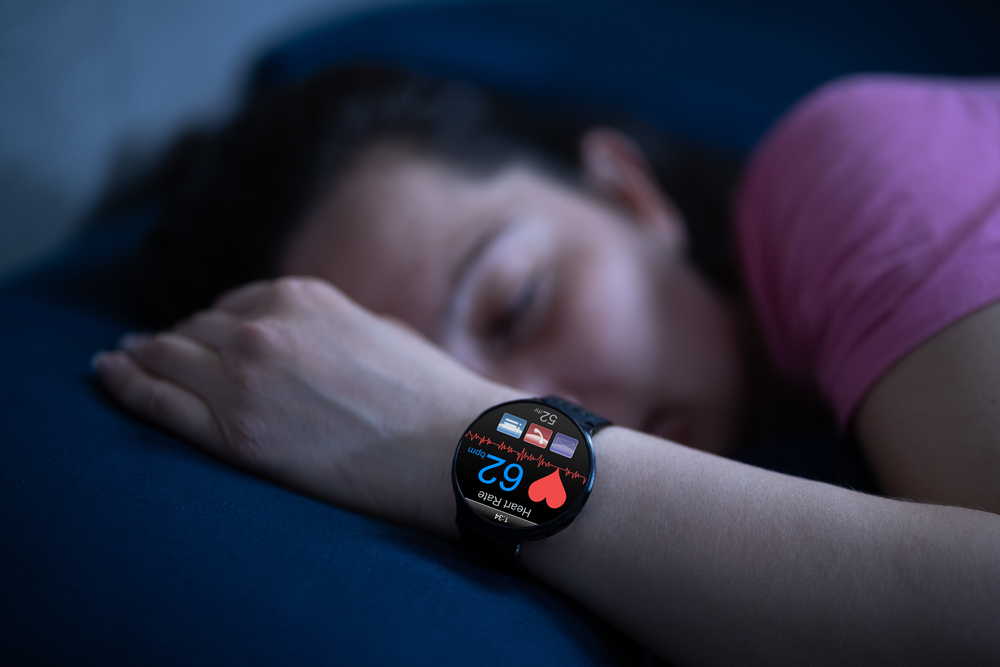
True Sleep Coaching
In the past, basic sleep tracking features could tell the user that they slept badly, but let’s face it, that’s pretty easy to find out for yourself. The latest smartwatches now use circadian rhythm sensors to help you optimize your routings to encourage better sleep. This could mean more light exposure earlier in the day, altering workout times, changing an afternoon caffeine habit and more. In this way the smartwatch isn’t simply diagnosing an obvious problem, it's actively helping you to solve it.
Injury Prevention Tracking
A modern smartwatch has micro-movement sensors that can track your posture, walking gait and form in real-time. The gathered data allows the watch to deliver a warning if you’re pushing things too hard. This can help you to avoid injuries that can have a negative effect on every area of your life.
Mental Health Checks
Certain modern smartwatches now have mood journaling capabilities that offer daily prompts to gather data on how you feel. When this is paired with the biometrics feature it can help you to determine if you need to visit a therapist. This is useful because we often don’t notice our own patterns of behavior. Think of this as an attentive nonjudgemental friend quietly looking out for your well-being.
Upgraded Social Fitness
A basic leaderboard is yesterday's news and the latest smartwatches allow you to do so much more. You can participate in live group workouts with real-time encouragement and form corrections. This is like the energy you would get from Peloton, but its origin is sat on your wrist. So, you can get a great workout dancing in your kitchen or running in the park, it’s entirely up to you!
Independence and Safety
In 2025, the latest smartwatches can now act as a lifeline for independence with SOS features, fall detection, sudden blood pressure drop detection (an early fainting warning sign) and more. This is a great suite of features for the accident-prone and aging population alike. It gives us peace of mind that there is always something there to help us if we get into trouble.
Why Should You Consider a Smartwatch Upgrade in 2025?
As we’ve shown above, the latest smartwatches are smarter and packed with useful features, but that’s just the tip of the iceberg. These models look better and they are made with eco-friendly materials, such as: recycled metals, sustainably sourced straps, solar assisted charging and more.
They are fashionable too, with customizable strap options, magnetic bezels, mood responsive faces and sleek vibes. The introduction of modular accessories to personalize your smartwatch is a great option for those that want sleek professional vibes during the day and neon touches at night.
Going beyond the individual health and productivity features we’ve already discussed, it’s interesting to note how these latest smartwatches can now help us to connect with other people. For travelers, the smartwatch can translate conversations in real time and vibrate when it’s time for you to respond. It’s like having your own personal interpreter on your wrist at all times.
Smartwatches can now give you micro-social updates to help you stay connected without feeling the need to become sucked into a time-sapping doomscroll in your feed. Only the most important stuff is highlighted, such as: a vacation selfie you were promised, a family member that had their baby and more.
What About the Fun Stuff?
This is a great question, after all, new tech should be fun to use, it should bring joy into our lives that go beyond useful features. The productivity, fitness and health and wellness features we’ve covered are all worth the price of entry alone. But, there are plenty of fun features that can help you get more out of your smartwatch and your daily life. The latest models have contactless interactivity for payments, tickets, office key cards and more.
It’s like having the ultimate all-access pass on your wrist at all times. Smartwatches offer micro-entertainment in the form of AI-driven jokes, mindfulness apps, quick games and more to help you kill or save time as you like. The holographic faces are now customizable and a mini 3D avatar can wave at you as you move.
What is the Future of Smartwatches?
In many ways, 2025 could be regarded as the year when smartwatches reached maturity and tech must-have. As we move forward, they are likely to become truly indispensable life partners that are simply too useful to ignore.
In the very near future, it’s highly likely that AI-based mental health support will become a reality with guided therapy sessions when you need them. The integration with smart homes will become even tighter and your smartwatch will anticipate your needs. So, if you feel stressed, it might queue up your favorite calming music, order comfort food and dim the lights. Of course, the level of interaction will be customizable, but it’s fun to see how the smartwatch may act or react towards the wearer.
There are other features on the horizon that could be real game changers as we move forward. Going beyond the formidable health and fitness features, we may see predictive health insights that use algorithms to flag potential health issues at an earlier stage. This goes beyond logging symptoms, the smartwatch may detect something like respiratory illness earlier by identifying subtle changes in breathing patterns. In this way the smartwatch becomes a first line of defense against the development of a chronic illness.
As augmented reality goes mainstream, the latest smartwatches may become the control hub for AR glasses. This would include wrist triggered navigation prompts and tracking vitals as you traverse a mixed-reality experience. Biometric authentication is likely to become more prevalent with unique sweat patterns, heart rhythm signatures and other metrics used to access accounts, start your car, unlock devices and more. Smartwatches are at the forefront of empathetic tech with biometrics, micro-movement tracking and voice tone analysis. This can detect if the wearer feels happy, sad or anxious and respond in a manner that’s helpful. The watch may suggest a short walk, ringing a friend or some gentle music to listen to.
We may see hyper-personalized nutrition features soon, this would include real-time food scanning, syncing with smart plates and utensils to track nutrition intake. Meal adjustments and suggestions could be made on the spot to support health and fitness. As health records become decentralized, a watch-based secure health ID can share key data with emergency responders, border agents and healthcare professionals. This will streamline healthcare access and you remain in control of your data. It’s likely that we will see integration with wellness ecosystems soon where anonymous health data can be used to parse mental health trends, track pandemics and shape public health policy.
How to Choose the Right Smartwatch
If you’re interested in the latest smartwatches and where they are heading is piquing your interest, the next challenge is figuring out which model will meet your needs.
Let’s take a look at three tips and tricks to help you make an informed choice.
Understand Your Needs
A modern smartwatch can be focused in a number of directions and you need to understand your needs before you find a device that meshes with them.
There are four main areas where smartwatches excel.
- Productivity-first: Look for AI-powered scheduling, workplace app integration and seamless notifications.
- Fitness-first: Check the smartwatch for advanced workout metrics, recovery tracking and injury prevention sensors.
- Health-first: You should be checking for glucose tracking, medical-grade monitoring and fertility awareness may be a priority.
- Lifestyle-first: Think about fun, social features, music storage and modular design options to make your smartwatch standout from the crowd.
Remember that there will be significant overlap in these areas. So, the best strategy is to select your top three priorities to narrow the field before you make a final choice.
Consider Your Ecosystem
When it comes to smartwatches, compatibility is extremely important. A prime example is the Apple Watch which works like a dream with an iPhone, but it doesn’t play well with Android phones. When it comes to manufacturers, such as: Samsung, Google and Garmin, you will find that cross-platform options are more prevalent.
So, if you are already deeply embedded in an ecosystem that you like, it's a great idea to choose a smartwatch that seamlessly meshes with it. Those that prefer to mix-and-match their tech should carefully examine the cross-platform flexibility before they buy.
Examine the Health Credentials
Certain smartwatch “health features” are not medically validated and you may prefer to avoid them on that basis. However, many of the latest models come with CE or FDA approval for medical-based features, including: blood pressure, ECG, glucose tracking, fertility tracking and more. There is a clear distinction, if you want medical reliability, choose a smartwatch that’s certified. But, if you’re more interested in general health trends you may find that a model with uncertified sensors is adequate for your needs.
Upgrade Your Wrist-Wear
Modern smartwatches have come a long way, they have now matured as a technology and they now have features that we could only dream about in the recent past. They can reshape how we approach our work, health, stress management and more. If you’re still using an older smartwatch to simply count steps, it may be time to evaluate if that’s sufficient for your needs.