
In our busy world, fitness trends evolve quickly and streaming workouts have become a go-to solution. There are numerous options to choose from which can make it a challenge to find the right fitness platform at an affordable price. So, here we’ll take a closer look at ten budget-friendly and ten premium fitness platforms in more detail. We will also explore the differences between them and how to find the right platform to meet your needs.
10 Budget-Friendly Fitness Apps
If you don’t have a lot to spend, there are still some great apps to choose from.
10. Home Workout - No Equipment
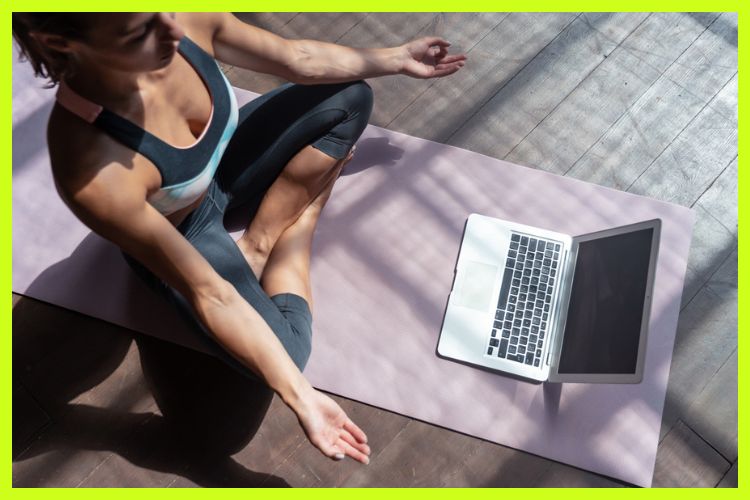
This app is available on the Google Play store and as the name suggests no equipment is required. It’s a series of daily workout routines that target every major muscle group. The exercises for the arms, chest, legs, abs and butt have been designed by fitness experts. If you want to work out at home and you have limited resources and equipment this is a solid choice.

9. Couch to 5K (C25K)
This is another solid choice for beginners. It’s a 9-week structured program designed to build your stamina to ultimately run a 5K race. The app features audio-guided sessions that are easy to follow and it’s available on iOS and Android platforms.
8. MapMyFitness
This is a great option for cyclists and runners that want to track their routes, pace, distances and calories burned. The free version covers basic tracking, but the premium variant has more advanced features, such as: heart rate analysis, live tracking and more.
7. Hevy
This is a workout tracker that allows the user to log, sets, reps, weights and exercises. It has been praised for its user-friendly interface that’s a good fit for beginners and more seasoned lifters. The free tier has plenty of useful features, but the optional premium upgrades are well worth the modest price of entry.
6. Google Fit
This app tracks your physical activity to give you valuable health insights. It integrates with other devices and apps and despite the name it’s available for iOS and Android platforms.
5. MyFitnessPal
This is a well regarded nutrition tracker, but it also integrates with other fitness apps to give you an excellent health overview. The app has a formidable food database and users can log their meals, monitor macronutrients and track their calorie intake.
4. Strava
This app is popular with cyclists and runners because it offers detailed performance analytics with social features. The free variant has basic metrics and route tracking with the premium version offering training plans and advanced analytics.
3. Strong
This is a weightlifting workout tracker to log exercises, reps, sets and weights with ease. This provides valuable insights into the progress of your strength training. The free tier has the most essential features, but the premium upgrades are worth the cost.
2. Down Dog
This app offers customizable yoga sessions for every level with options to alter the difficulty and session length. There are plenty of sequences to explore, including: hatha, vinyasa, restorative yoga and more.
1. Samsung Health
This tracks a variety of health aspects, including: diet, sleep and physical activity. The app offers challenges, guided workouts and seamless integration with Samsung devices.
These ten apps are designed to meet a variety of fitness needs, such as: running, cycling, yoga, strength training, nutrition tracking and more. The free versions offer plenty of functionality, but the optional premium upgrades can help you to meet your fitness goals.
Budget vs. Premium Fitness Platforms: What’s the Real Difference?
When it comes to a choice between the budget-friendly apps listed above and many others on the market and their premium counterparts it’s natural to wonder about the differences. This typically comes down to the goals of the user, their lifestyle and home much time and money that they want to invest in their fitness journey.
Let’s look at some of these factors in more detail.
Cost
This is the most obvious difference between a budget-friendly and premium-grade app. The cheaper apps often start with a free download or a low monthly fee to make them accessible for most people that want to test the app or workout on a budget.
The premium platforms, such as: Alo Moves, Fitbod, Peloton and others listed below have a higher price tag. The subscription could be in the $15-$40 range and specialized equipment may be required. But, the higher price point typically comes with extra value features that a free or budget-friendly app cannot match, such as: structured programs, advanced tracking, live instruction and more.
Personalization
A low-cost or free app will feature generic programs that may work well for most people, but it can’t account for specific goals, limitations and other fitness goals. There may be some generic guidance or recommendations, but these are limited in nature.
This is where premium platforms excel. They may use AI to tailor workouts based on previous sessions, goals and equipment. There may be live classes that feature instructor feedback with programs that adapt as you make progress. This type of guidance can be valuable for those that want accountability, measurable results and injury-conscious training.
Workout Variety
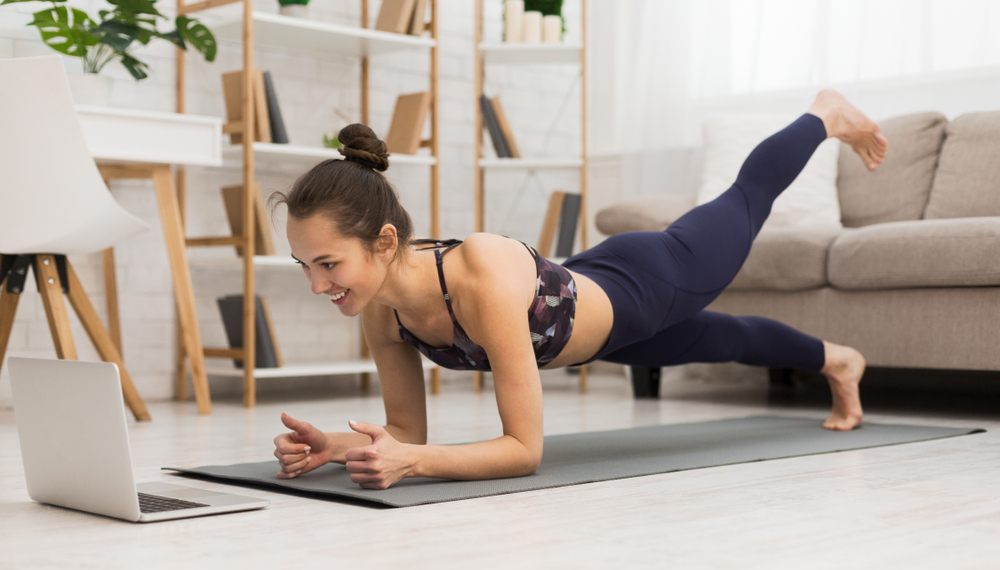
A budget-friendly app may have a variety of workouts, but they are based on standard formats, such as: HIIT, yoga and strength routines. A more comprehensive platform offers more variety with numerous classes across different studios. This gives the user the opportunity to explore a broader spectrum of workouts and structured programs as they wish.
Analytics and Progress Tracking
This is a key area where a budget-friendly app offers basic features in comparison to a premium platform that offers tracking and insights. The gathered data can be used to recommend future workouts to train smarter and not just harder.
Flexibility
A budget-friendly app is a good fit for those that want to mix and match their workouts and experiment freely with no ties to a subscription model. A premium platform is more serious, the workouts are structured and accountability is used to accelerate results. For some, this may feel like a rigid option, but structure instills discipline for those that favor results over variety.
Accessibility and Equipment
Most budget-friendly apps are geared towards people that have little or no equipment to use. The alternative is a premium app that assumes that the user will have certain facilities or equipment to use.
For example: Peloton users will thrive on the platform if they have a specific treadmill or static bike setup. This may not be a limitation for some people, but those lacking the finances or space to workout may be restricted to a lower cost option.
Motivation and Community
A budget app may rely on basic social sharing, forums or a tracking streak to engage the user-base. This may be sufficient for a self-driven person, but others may find that it lacks the connections and social accountability that helps them with consistency. A premium platform will typically have live sessions, interactive communities and direct interaction with instructors to create a greater sense of connection. This can be a huge factor to motivate people that have self-discipline challenges to overcome.
10 Premium Fitness Apps
So, now let’s explore some of the best options if you have a fitness budget.
10. Peloton
This is a highly regarded app that’s renowned for immersive workouts with a wide range of classes, including: running, cycling, yoga, strength training and meditation. There are on-demand and live sessions led by experienced instructors.
There’s a motivating community atmosphere that helps the users to stay on track. The app has performance tracking and personalized recommendations to help the user reach their fitness goals.
Price: $24/month for All Access
9. Fitbod
This app uses AI to generate personalized strength training workouts for the user based on their available equipment, fitness levels and goals. There are detailed exercise instructions, adaptive programming and progress tracking. This is designed to help the user build strength and muscle with continuous improvement.
Price: $15.99/month
8. Alo Moves
This app offers a wide range of classes, such as: HIIT, dance, pilates, barre and yoga. The platform is well regarded for its expert instructors and high-quality production values. There are beginner-friendly and advanced sessions to explore. The emphasis is placed on integrating meditation, recovery practices, wellness and mindfulness into the platform.
Price: Starts at $16/month
7. Asana Rebel
This combines fitness training with yoga movements to provide a comprehensive and holistic approach to fitness and wellness. There are classes focused on mindfulness, flexibility and strength to help users find their balanced fitness routine. The app offers personalized training plans and progress tracking to improve motivation.
Price: Starts at $15.99/month
6. Runna
This is a race training platform with structured programs to run a variety of distances from a 5K up to a marathon. There are personalized training plans, performance analytics and community support to help the runner reach their goals. Runna can integrate with wearables to adjust training intensity and track progress.
Price: $19.99/month

5. Solidcore
This app offers low-impact, high-intensity workouts that use custom-built reformer machines that focus on full-body strength training. This helps the user to push themselves to their limit with support. This is an excellent platform for those that want a challenging workout that promotes toning and muscle endurance.
Price: Dependent on location
4. Volt Athletics
This app has an AI-powered strength and conditioning program that’s tailored for individuals, athletes and entire sports teams. Scientific principles are used to create adaptive training plans that evolve based on performance and user feedback. This is an excellent choice for those that want to enhance their athletic performance and strength.
Price: Individual plants start at $19.99/month
3. Gyroscope
This is an AI-powered platform that provides personalized nutrition, fitness and sleep programs. The app will adapt to the user inputs which include goals and body measurements to generate tailored recommendations. This is a solid choice for people that want a comprehensive approach to their health and wellness goals.
Price: Starts at $39/month
2. WHOOP
This is a wearable fitness tracker that focuses on sleep, strain and recovery. It provides valuable personalized insights into the users performance and recovery status. This allows the user to optimize their training regimen and rest periods. This is a good choice for those that want to understand how recovery works to help them improve their overall performance.
Price: WHOOP One starts at $25/month
1. ClassPass
This offers access to a range of fitness classes, including: Pilates, yoga, strength training and more in multiple studios. The user can book classes based on their schedule and flexibility to provide variety and flexibility in their fitness routine. This is a great choice for those that enjoy exploring new fitness trends and workouts.
Price: $19/month for 8 credits (3 classes)
How to Choose the Right Fitness App for You
There are numerous fitness apps beyond the budget-friendly and premium offerings we’ve covered above. So, picking the right one to meet your needs is a formidable challenge to overcome. At the very basic level, it may come down to opting for a free app that promises a useful workout or a premium-grade service that will provide AI-driven personalized training and metrics.
Making a final decision is easier if you consider the following factors and how they apply to your fitness goals.
Have Clearly Defined Goals
Before you swipe the app and download it, take some time to think about what you want to achieve. Do you want to lose weight, move around more, build strength, improve your endurance or something else?
If you’re looking to improve your general fitness and need variety, a budget-friendly option, such as: Home Workout - No Equipment or Nike Training Club may meet your needs. But, if you have specific goals, such as: building muscle, preparing for a 5K or using yoga to improve flexibility then a premium app is likely to be a better option. If you clearly define your goals, it’s easier to narrow down the app choices.
What is Your Preferred Workout Style?
With such a wide variety of workout styles available it’s a great idea to identify the type of movement that interests you and stick with it. For mixed workouts, look at Daily Burn, ClassPass and Nike Training Club. Those that want running and cardio may want to check out Strava, Runna and Couch to 5K. For Yoga look at Alo Move, Asana Rebel and Down Dog. If you’re interested in strength and weightlifting, check out Strong or Fitbod.
The best fitness app is the one that you enjoy using and fun is an important aspect of working out that many people overlook.
Consider Your Current Fitness Level
This can have a dramatic influence on your choices and beginners typically gravitate to free apps to explore a variety of workouts. Moving up to an intermediate or advanced stage may require a platform that offers expert instruction, progressive challenges and data-driven insights to improve performance.
Beginners may find that Down Dog, WalkFit and Couch to 5K are a great way to get started with fitness apps. At the intermediate stage two solid choices are Strong and Freeletics to push past a fitness plateau. At more advanced levels, Fitbod, WHOOP and Volt Athletics offer personalized high-intensity training.
Evaluate the Equipment Requirements
Certain apps are designed for home workouts using no equipment, but others are reliant on a reformer machine, static bike, treadmill or other pieces of gear. If you don’t have that equipment or you don’t want to buy it, then it’s a hard pass and you need to look for an app that you can use with what you already have.
Understand Your Budget
A free app is a great way to explore your fitness without making a financial commitment. But, this type of app won’t have live classes, personalized coaching, advanced tracking and other features. These only come with a premium subscription and before you make a commitment there are three questions you need to answer: Can I start free and upgrade later? Are the premium features worthwhile to meet my goals? How much am I prepared to spend each month?
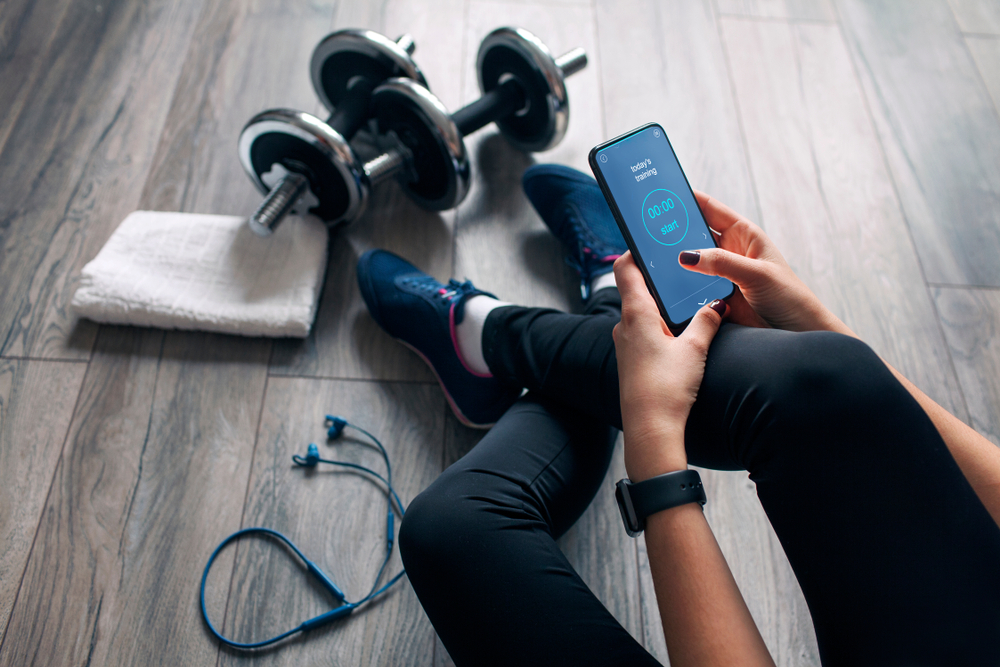
A sound strategy is to start with a basic or free trial version to discover if it motivates you to workout and progress. If the app is a great fit for you, consider an investment and if not explore other apps to find the right one to meet your needs.
Community and Support
Some people thrive on live instructor interaction, challenges and community engagement. This helps them with motivation and this is where premium apps, such as: ClassPass, Peloton and WHOOP excel. They offer accountability to keep your workout goals on track. For those that are self-motivated and prefer to workout alone a budget-friendly app is likely to be a great fit.
Take Advantage of Trial Runs
If you are considering a subscription to a premium platform, make sure you take advantage of free trials and offers. Many budget-friendly apps are free, but even premium-grade apps can allow you to use their full feature set for a week or two. This is a great way to make sure that you find an app that is fun to use and that can meet your fitness goals.
What's Your Workout Budget?
A budget-friendly app can be a perfect choice for a beginner or those on a strict budget that want to work out consistently. They are accessible, flexible and they offer sufficient variety to keep people coming back for more. But, a premium platform is geared towards those that need personalized guidance, structure, accountability and data driven progress tracking. This is a great fit for people that want to meet specific fitness goals with community-driven motivation.